The Untested Roman Who Broke Hannibal's Trap
After Cannae, Rome had lost three armies and still had no answer to Hannibal. The answer came from two very different men: an old general who refused to fight, and a young survivor of Cannae who found the one wall Carthage never guarded.
No time to read it all? Watch the 60-second version on the right.below.
Every week, one story from the ancient world, told from the original sources.
 Ruins Retoldon YouTubeSubscribe
Read the sources yourself
The ancient accounts this story comes from, and the best modern books on it, from an independent bookstore.


Rome had no answer
By 216 BC, Hannibal had done what no enemy had ever done to Rome. He'd crossed the Alps, broken a Roman army at the Trebia, destroyed another in the mist at Lake Trasimene, and then, at Cannae, wiped out the largest army the Republic had ever put into the field. Hannibal was still in Italy, still unbeaten, and Rome had run out of ideas.
This is the story of how Rome stopped fighting Hannibal on his terms, and of the untested young man who found the one blind spot Carthage never guarded.
The Little Lamb
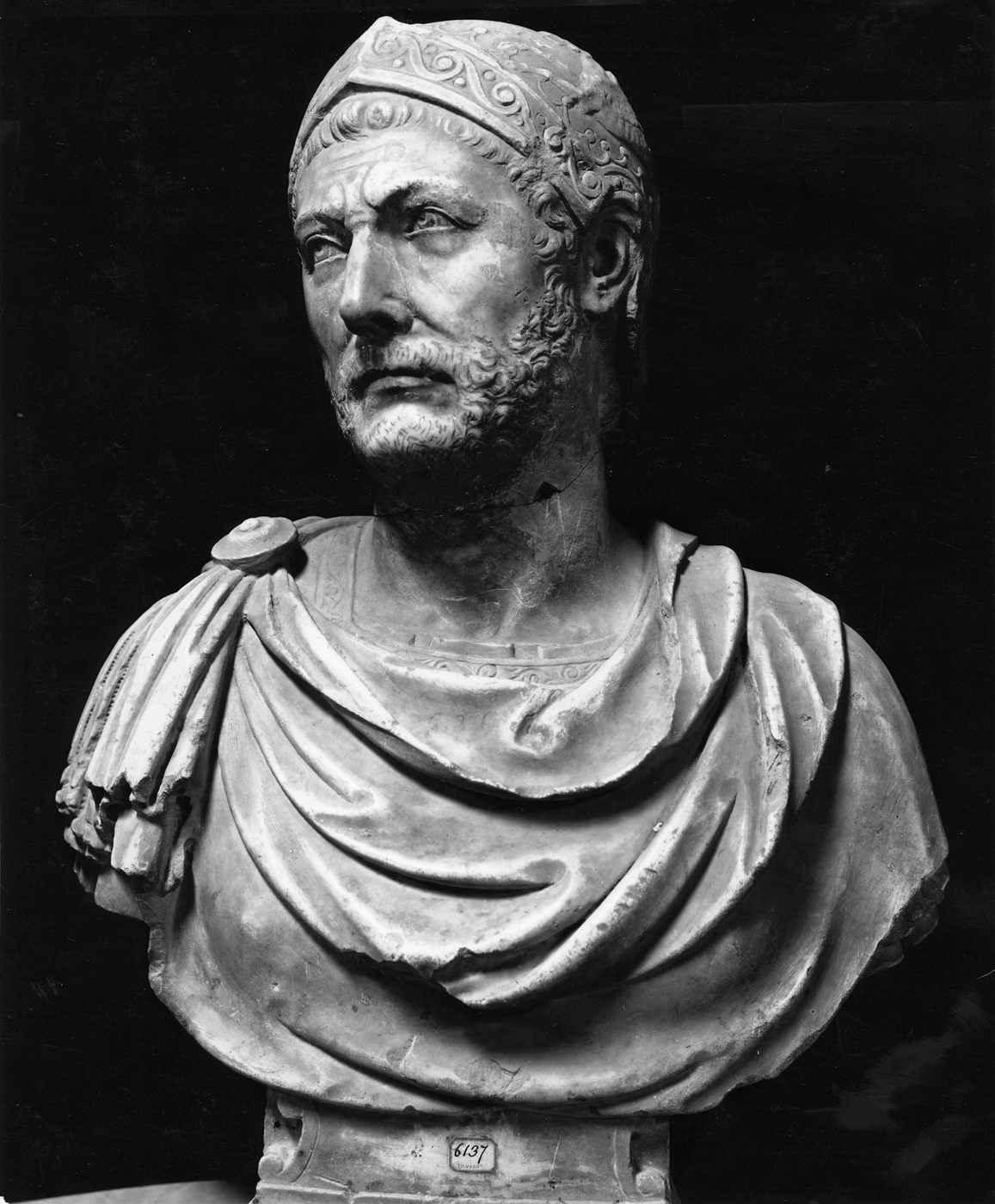
The first answer came before Cannae, and Rome hated it. Quintus Fabius Maximus had been nicknamed "the Little Lamb" as a boy, for his gentle nature. Made dictator in 217 BC, he refused to give Hannibal the battle he wanted. He shadowed the Carthaginian army along the hills and waited. Romans called it cowardice.
Once, Fabius had Hannibal trapped in the Falernian plain, with the pass he needed to leave by under guard. Hannibal had bundles of dry wood tied to the horns of about two thousand captured oxen, set them alight after dark and drove the herd up the slopes. To the Romans it looked like an army marching with torches. The guards left the pass to meet it, and Hannibal marched his army through in the night.
Then came Cannae, and Rome learned the hard way that Fabius had been right.
Shield and sword
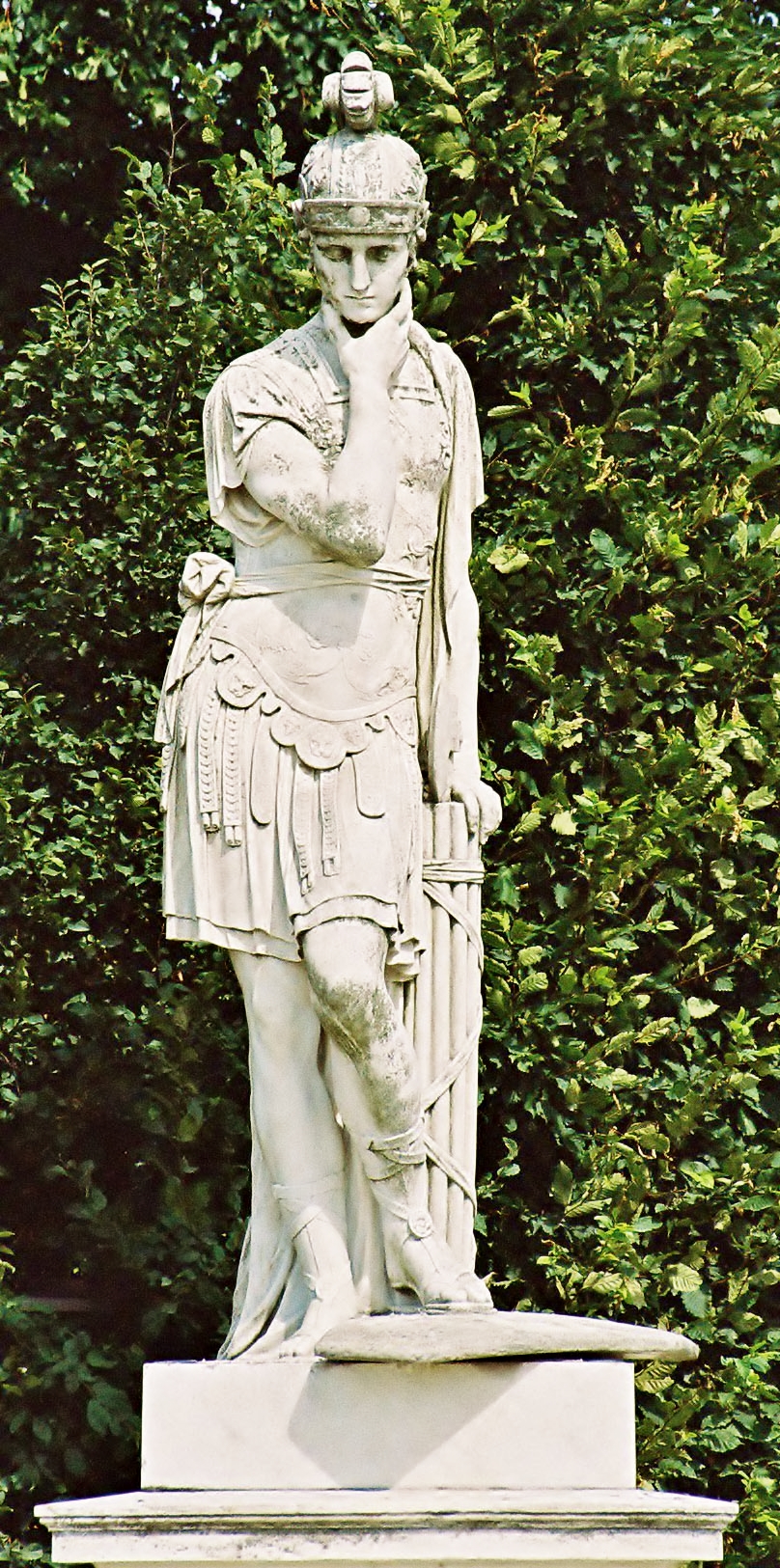
After Cannae, Rome stopped offering Hannibal the great battle he wanted. With Fabius as its shield and Marcellus as its sword, as the ancients put it, it besieged the cities that had gone over to Carthage instead. Roman armies ringed Capua with siege works and starved it. To draw them off, Hannibal marched on Rome itself and rode up towards the Colline Gate with two thousand horsemen. Only part of the army at Capua came back to defend the city. The siege held, and Capua fell.
Tarentum, betrayed to Hannibal three years earlier, was retaken in 209 BC by Fabius, consul for the fifth time. Hannibal arrived too late. The story goes that he said the Romans had found a Hannibal of their own.
No one else stood
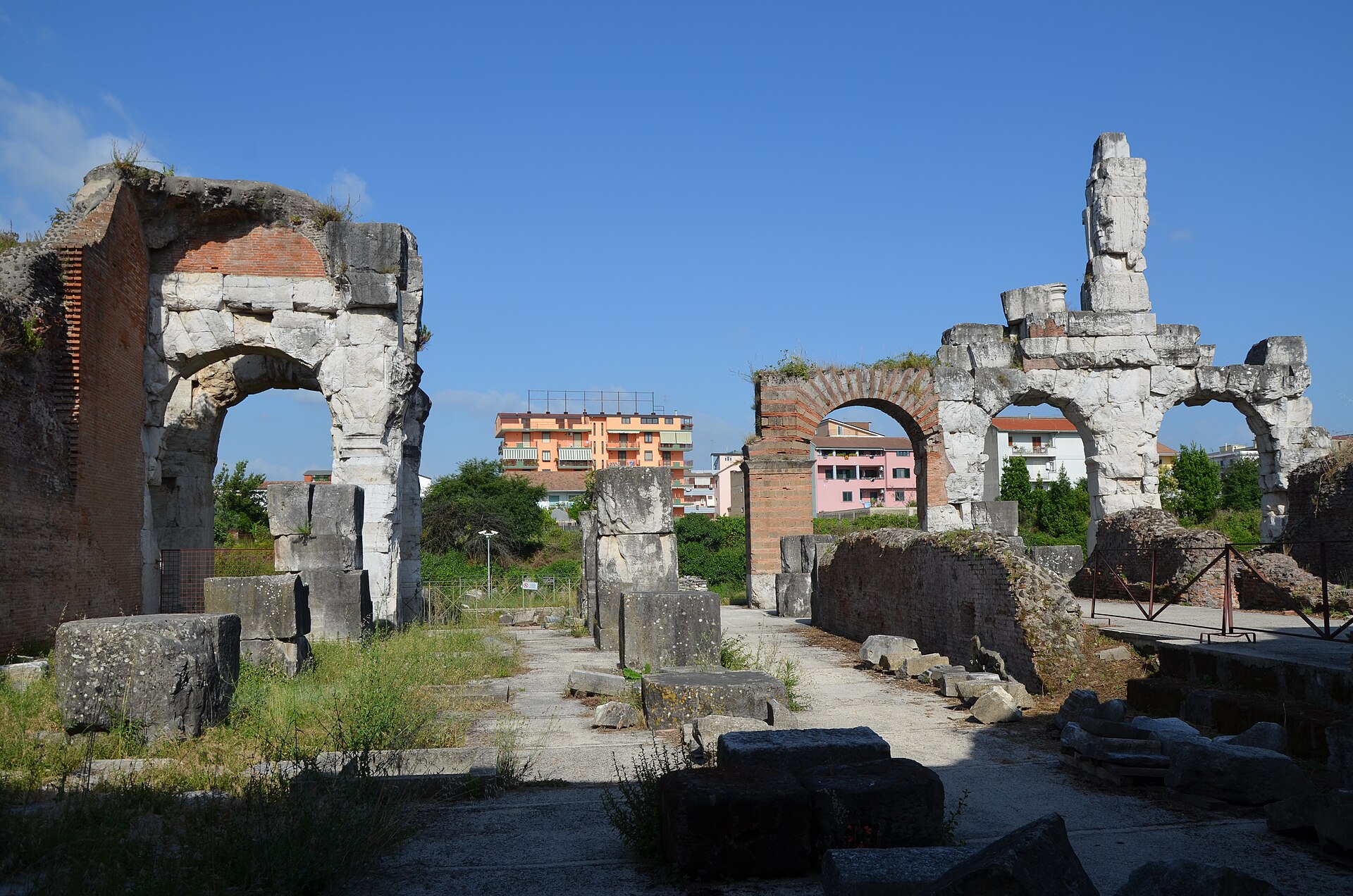
In Spain, the brothers Publius and Gnaeus Scipio had held the line for years, keeping reinforcements from reaching Hannibal. Then they split their forces, and both were killed within a month. At the election for the Spanish command, no one came forward.
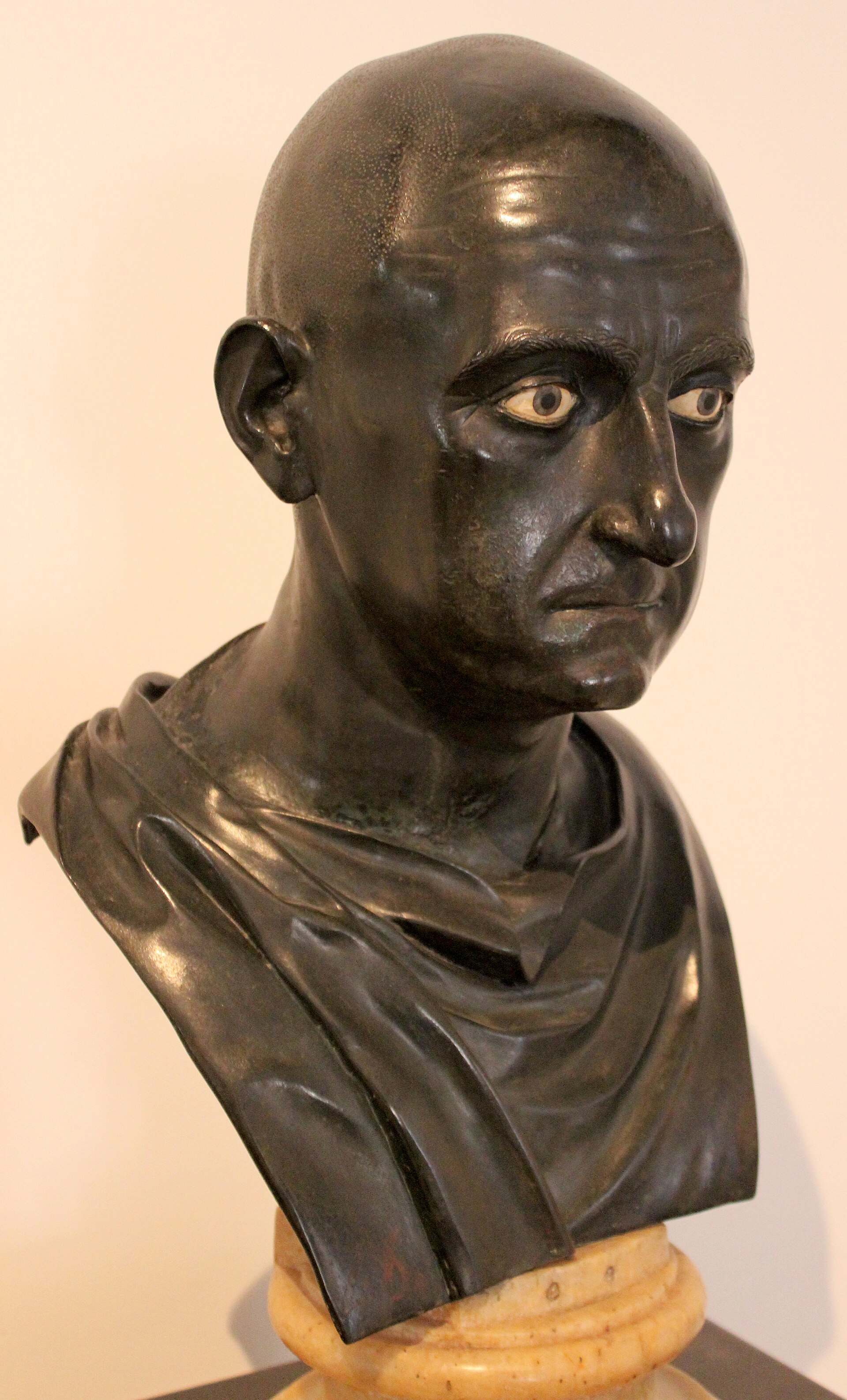
One man stepped up: Publius Scipio, son and nephew of the dead generals, and a survivor of Cannae. He was in his mid-twenties. Every voting century chose him.
 Ruins Retoldon YouTubeSubscribe
The lagoon
Scipio's target was New Carthage, Carthage's greatest city in Spain. It held the enemy's war chest, its war material and hostages from across Spain, and its trained garrison was only about a thousand men.
Local fishermen told Scipio that the lagoon behind the city was shallow and drew back towards evening. He shared his plan only with Laelius, who commanded the fleet. He told his soldiers that Neptune had come to him in a dream and promised to help them. The first assault on the walls failed. Then, as the water fell, Scipio sent five hundred men with ladders into the lagoon. They crossed the shallows and climbed a stretch of wall no one was defending. To the watching army, it looked like the work of a god. New Carthage was taken before nightfall.
The Metaurus
In 207 BC, Hannibal's brother Hasdrubal crossed the Alps with a second army, faster than anyone expected. If the brothers joined forces, Rome might not survive.
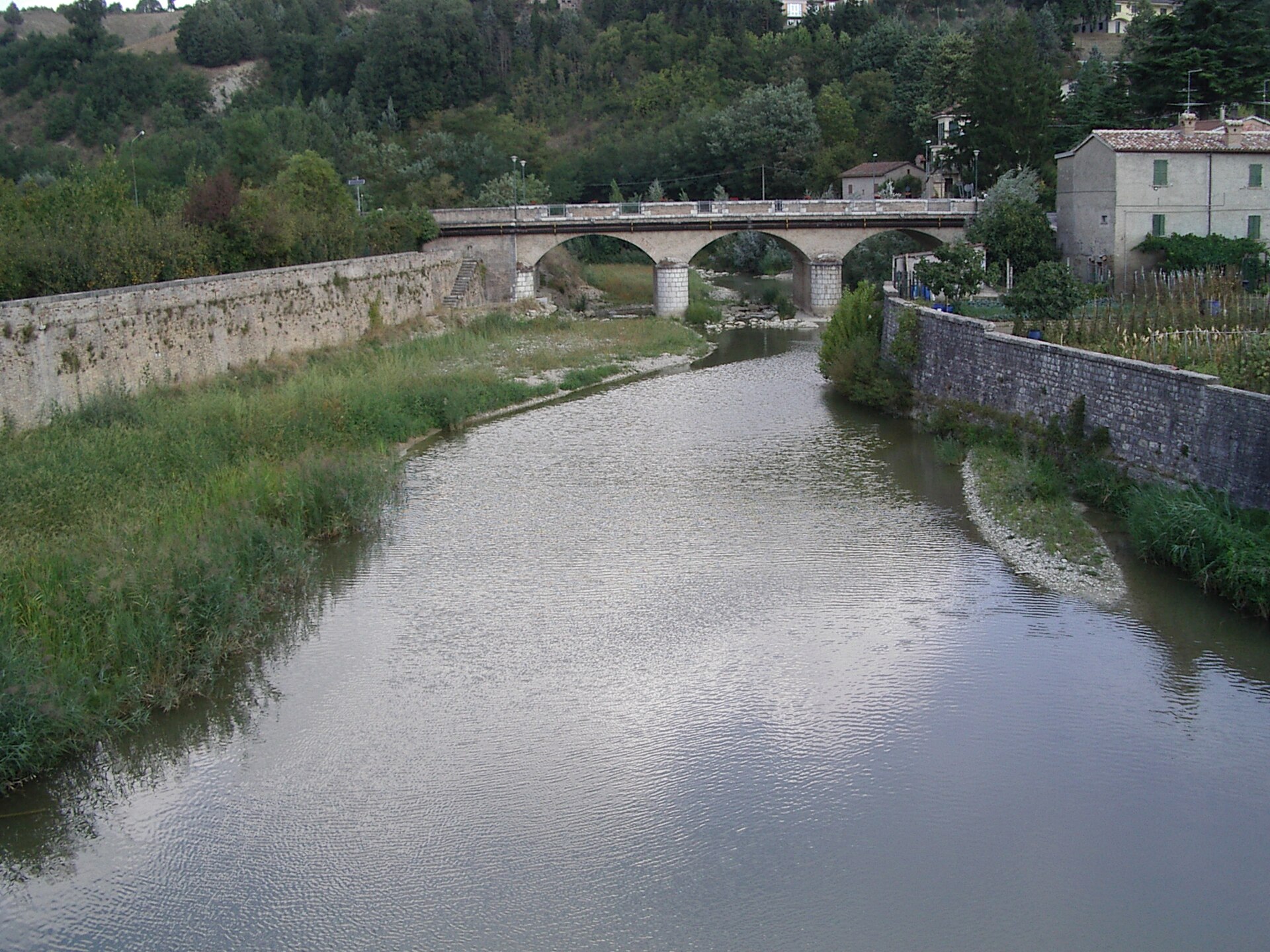
They never met. Hasdrubal's messengers were caught, and the consul Gaius Claudius Nero read the captured letters. Without waiting for orders, he marched north with six thousand foot and a thousand horse to join his colleague Marcus Livius, leaving his camp in place so Hannibal wouldn't notice. Together they caught Hasdrubal at the river Metaurus. Hasdrubal rode into the thick of the fighting and died bravely.
Nero was back in the south within six days. Livy says he had Hasdrubal's severed head thrown down in front of Hannibal's outposts, and that when Hannibal saw it, he said he recognised the fate of Carthage.
Ilipa, and Africa
At Ilipa in 206 BC, Carthage brought at least fifty thousand men, with cavalry and elephants. Scipio had his men eat before dawn and attacked early, and the Carthaginians came out hungry and wilted in the heat. A sudden storm saved them from annihilation, but Carthage lost Spain.
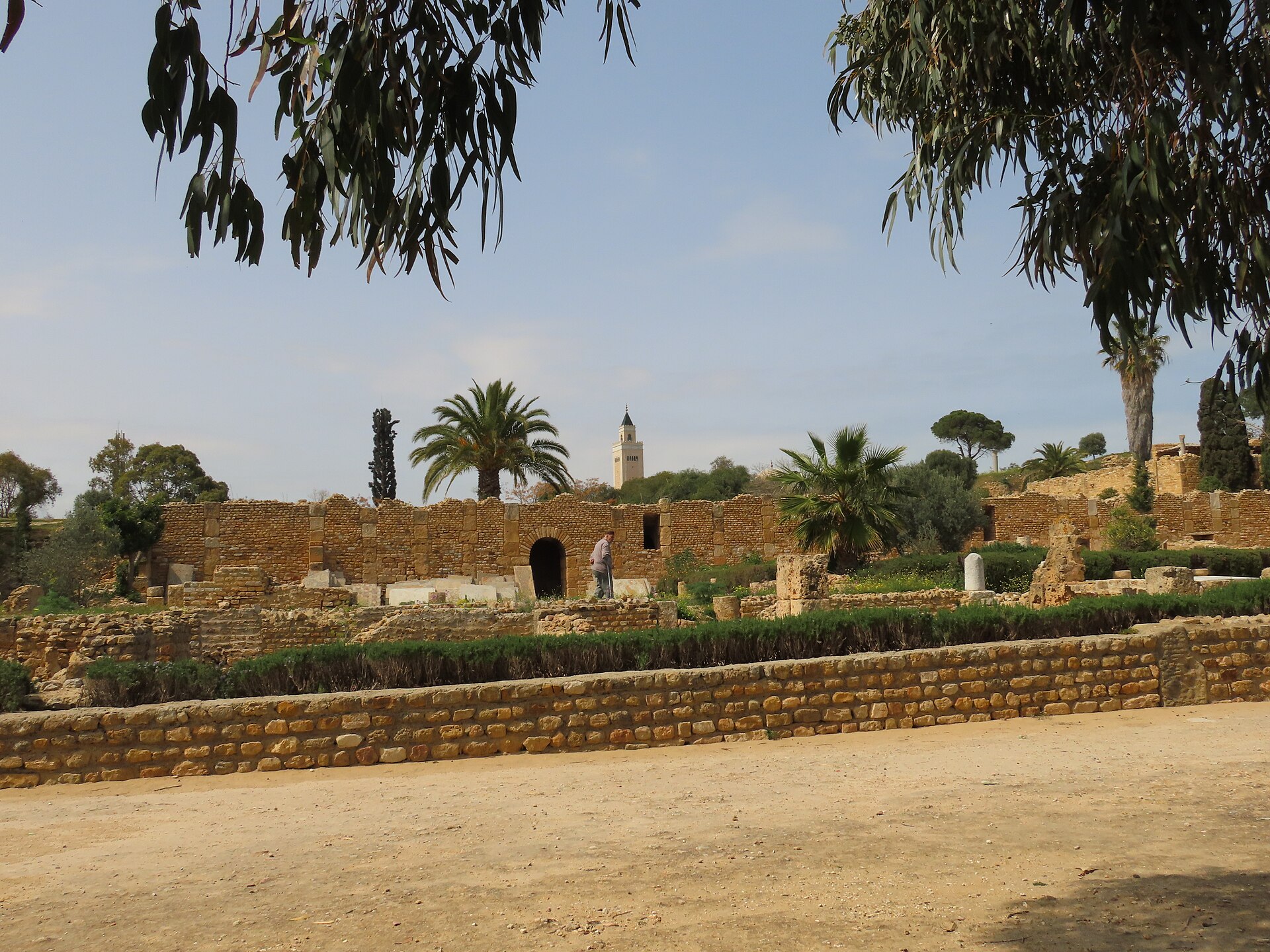
Back in Rome, Scipio was elected consul and wanted to take the war to Africa. Old Fabius argued against it in the Senate: "Let there be peace in Italy before there is war in Africa." Scipio answered that attacking Carthage would draw Hannibal home. In 204 BC, he sailed for Africa with forty warships and four hundred transports.
How do we know?
No account written at the time survives. The story follows Polybius, who wrote about two generations later, knew Scipio's family and used the account of Scipio's friend Laelius. Livy fills the many gaps where Polybius's text is lost, and Plutarch's Life of Fabius adds a few remarks.
Where the sources disagree:
- Scipio's age. Livy says he was barely twenty-four when chosen for Spain; Polybius makes him twenty-seven at New Carthage. We say "his mid-twenties."
- New Carthage. Polybius dates the attack to 209 BC and has the lagoon ebb towards evening. Livy dates it to 210 and has a midday ebb helped by a north wind. We follow Polybius.
- The Metaurus. Polybius gives about 10,000 Carthaginian and 2,000 Roman dead; Livy gives 56,000 and 8,000. We follow Polybius. Nero's march and Hasdrubal's head come from Livy.
- Ilipa. Polybius gives 70,000 Carthaginian foot soldiers, Livy 50,000. We say "at least fifty thousand." The storm is Livy's alone.
- "A Hannibal of their own" comes from Plutarch and is told as a legend.
- Scipio's fleet. Forty warships and four hundred transports is Livy's figure, and he notes that other writers disagree.
Visiting today
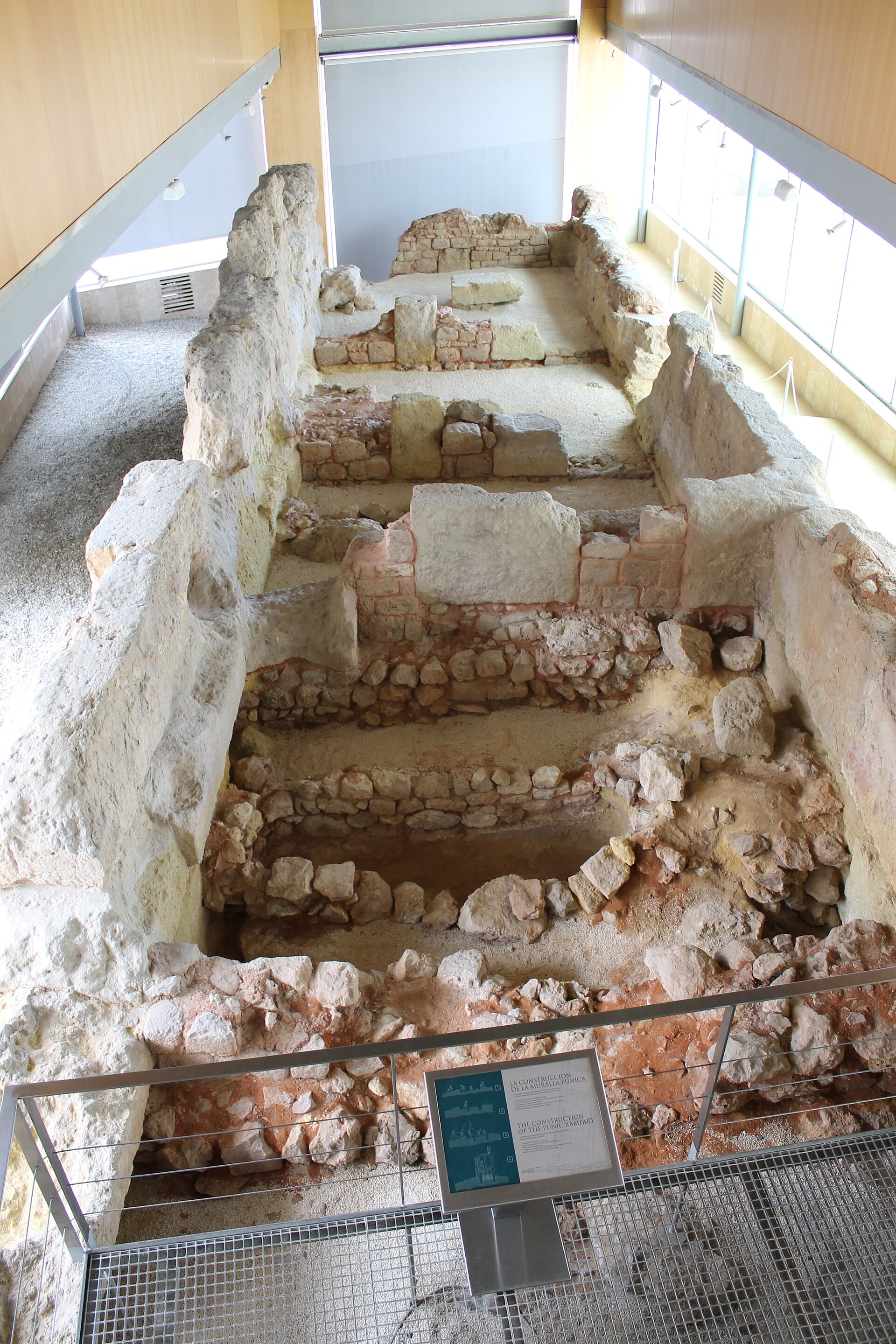
New Carthage is today's Cartagena, on Spain's southeast coast. You can still see a stretch of the Punic wall at the city's Punic Wall Interpretation Centre, and the Roman city that grew up after Scipio's conquest left one of Spain's finest Roman theatres, built later in the age of Augustus.
Visit Roman Cartagena
Booking through these cards supports the channel at no extra cost to you.
Watch next
- Before this: How Hannibal Tricked 80,000 Romans Into Their Own Massacre (Hannibal, Episode 2)
- Next week, Episode 4: Hannibal and Scipio finally meet, on a plain in Africa called Zama.
Some links on this page are affiliate links. If you buy or book through them, the channel earns a small commission at no extra cost to you.