Alexander's Last Word: The 7 Days That Decided 300 Years
In 323 BC, Alexander the Great lay dying in Babylon. He handed over his signet ring, spoke one last cryptic phrase, and left the greatest empire on Earth without an heir.
Read the sources yourself
The ancient accounts this story comes from, and the best modern books on it, from an independent bookstore.


Babylon, 323 BC
Alexander had conquered everything from Greece to India before he was thirty-three. In the summer of 323 BC he was back in Babylon, planning his next campaign. Instead, he caught a fever. Seven days later, the greatest empire the world had ever seen had no ruler, and no plan for what came next.
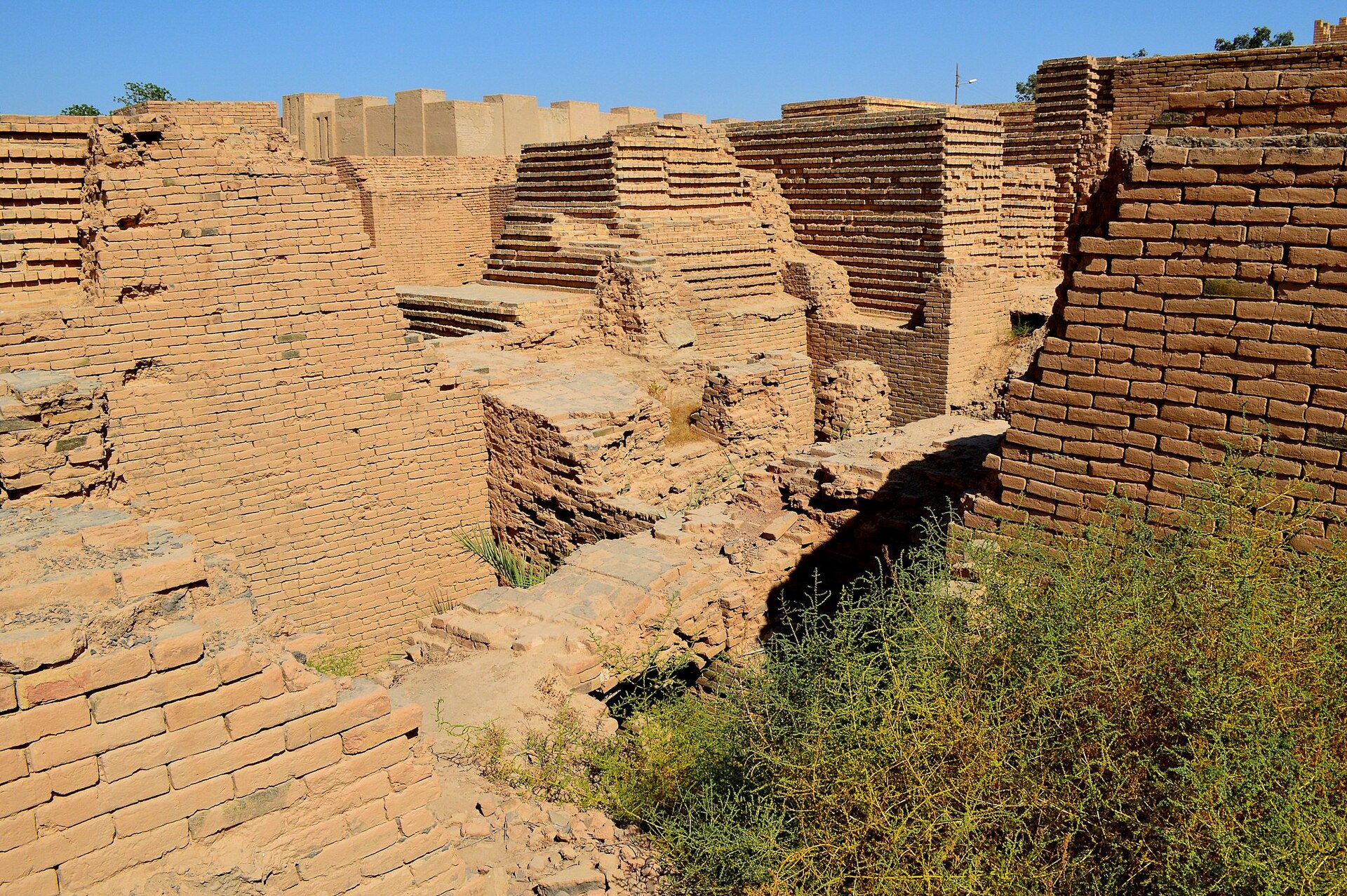
The omens
The ancient writers fill those last weeks with bad signs: strange events in the palace, warnings from the Babylonian priests, things that looked, afterwards, like the gods clearing their throats. Whether any of it happened, the Macedonians remembered it as if it had.
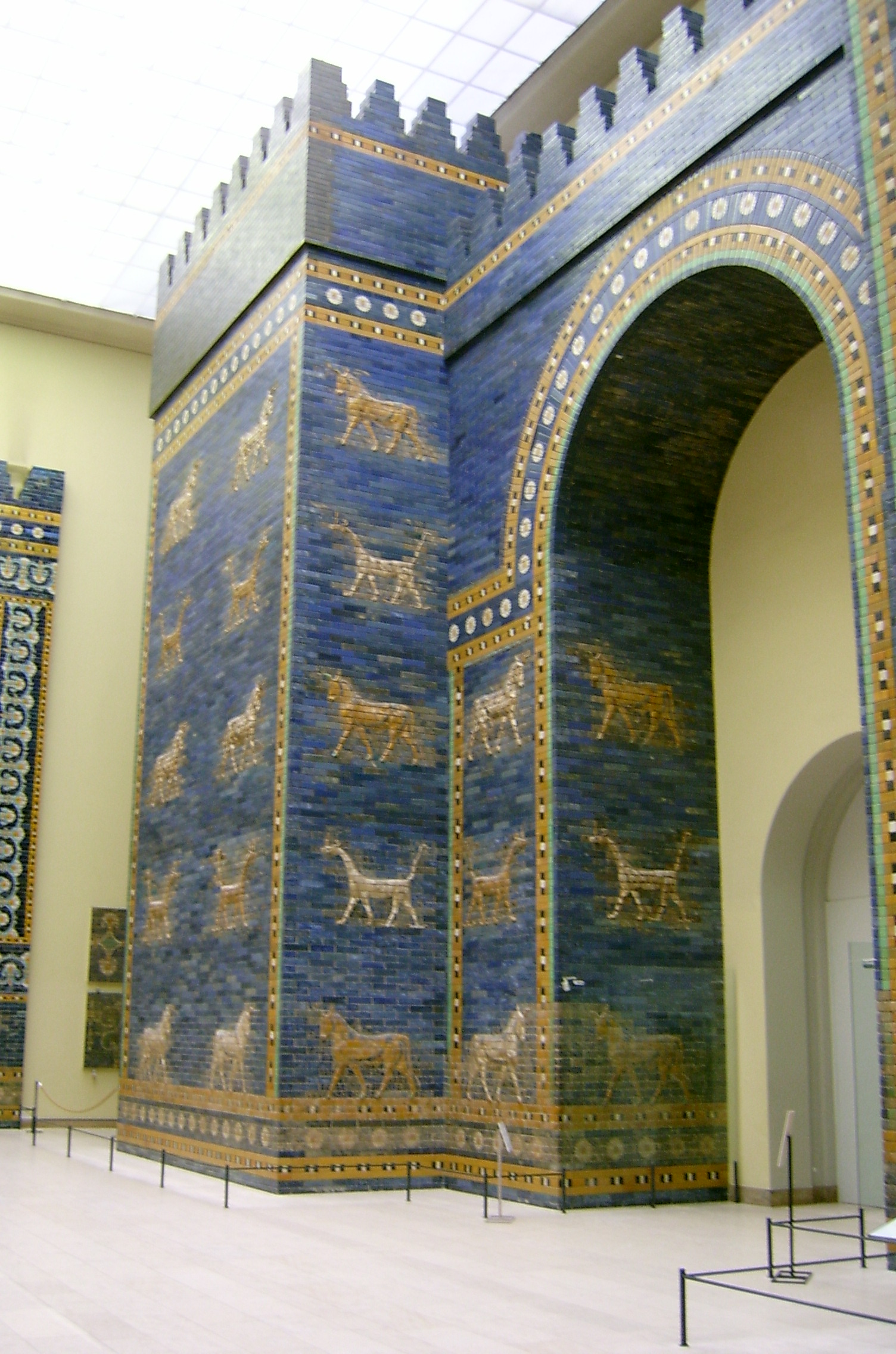
The fever
The fever came on after a night of drinking and didn't let go. Day after day it got worse. Alexander kept giving orders for the coming campaign from his bed, until he couldn't.
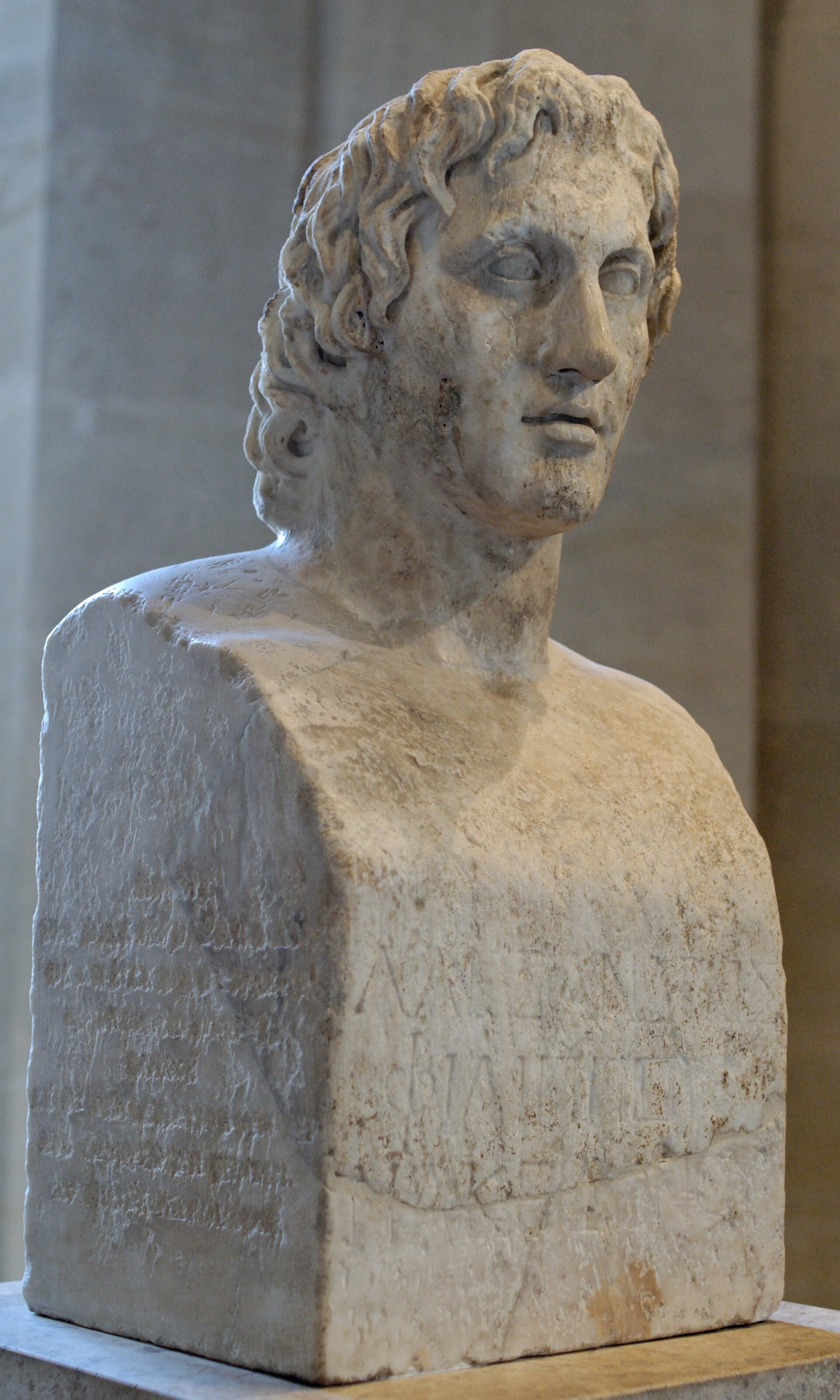
The last parade
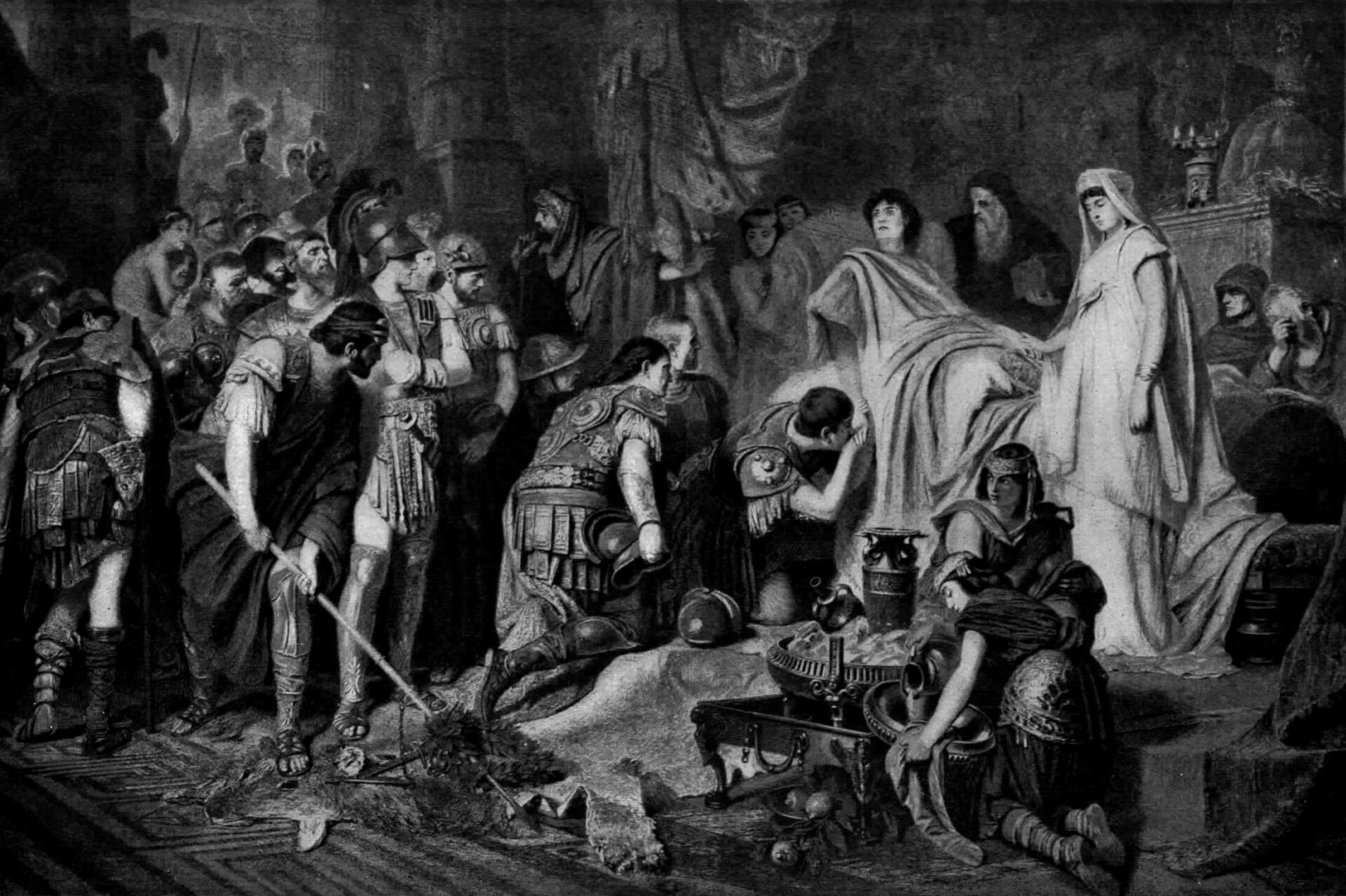
When word spread that the king was dying, his soldiers forced their way into the palace to see him. They filed past his bed one by one. Alexander could no longer speak, but he lifted his head and greeted each of them with his eyes.
 Ruins Retoldon YouTubeSubscribe
"To the strongest"
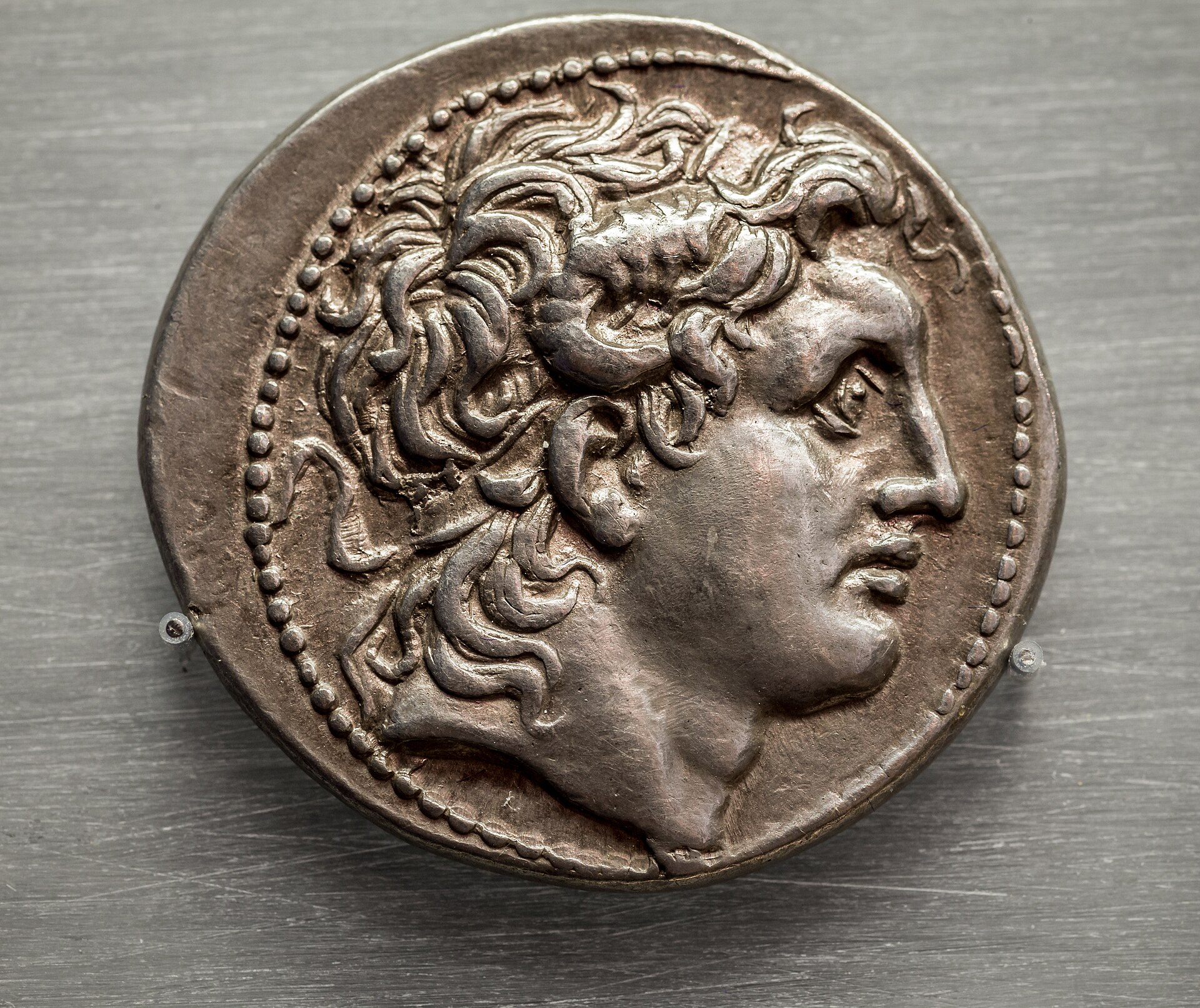
As he lay dying, Alexander's companions asked him who should have his empire. Diodorus has him answer: "To the strongest." Other writers have "to the best" or "to the most worthy." Most of them say he gave his signet ring to Perdiccas, the senior general in the room. Then he died, and the strongest started fighting.
The council and the puppet king
There was no adult heir. Alexander's wife Roxane was pregnant, and his half-brother Arrhidaeus was a grown man but unfit to rule. The cavalry officers wanted to wait for Roxane's child. The infantry wanted a king they could see, and they shouted for Arrhidaeus. For a few days the army that had conquered the world came close to fighting itself in the streets of Babylon.
The compromise was a puppet king: Arrhidaeus would reign as Philip, Roxane's child would share the throne if it was a boy, and Perdiccas would hold the real power as regent.
The elephants
Perdiccas didn't forget who had defied him. At a ceremony to purify the army, he had the ringleaders of the infantry revolt dragged out in front of the whole army. According to Curtius, about three hundred of them were thrown to the elephants.
The stolen body
And all this time, the most valuable thing in the empire was lying unburied: Alexander's body. Whoever buried Alexander had a claim to be his heir. It wouldn't stay in Babylon for long. That's the next story.
How do we know?
No account from 323 BC survives. Everything here comes from writers who lived centuries later and worked from lost earlier histories: Diodorus, Curtius, Plutarch, Arrian, and Justin's summary of Pompeius Trogus. Arrian and Plutarch drew on the "Royal Journals" of the king's last days.
Where the sources disagree:
- The last word. "To the strongest" (Diodorus), "to the best" (Arrian, Curtius), "to the most worthy" (Justin). Arrian gives it as "some say", and Plutarch doesn't mention it.
- The ring. Curtius, Diodorus and Justin have Alexander give his ring to Perdiccas. Arrian mentions no ring.
- Cause of death. Fever or illness (Arrian, Plutarch) or poison (Justin, Curtius). Arrian and Plutarch report the poison story and then doubt it.
- The purge. Only Curtius says the men were thrown to the elephants, about 300 of them. Diodorus gives 30; Justin has ringleaders executed in secret.
- The body. Curtius and Plutarch say it stayed uncorrupted for days. Curtius himself notes this was "handed down rather than believed."
Watch next
- Next: Alexander's Body, the Nile, and the Fall of Perdiccas (Alexander's Successors, Episode 2)
Some links on this page are affiliate links. If you buy or book through them, the channel earns a small commission at no extra cost to you.