Alexander's Body, the Nile, and the Fall of Perdiccas
Perdiccas held Alexander's ring, his kings and his army. Then Ptolemy stole Alexander's body, and the most powerful man alive marched on Egypt to get it back.
Some links on this page are affiliate links. If you buy or book through them, the channel earns a small commission at no extra cost to you.
Read the sources yourself
The ancient accounts this story comes from, and the best modern books on it, from an independent bookstore.


The most powerful man alive
Not long after Alexander's death, no man alive held more power than Perdiccas. He was regent of the empire, keeper of Alexander's signet ring, guardian of the two kings, and master of the royal Macedonian army. Everyone else had to answer to him. Ptolemy, the governor of Egypt, decided he wouldn't.
The golden hearse
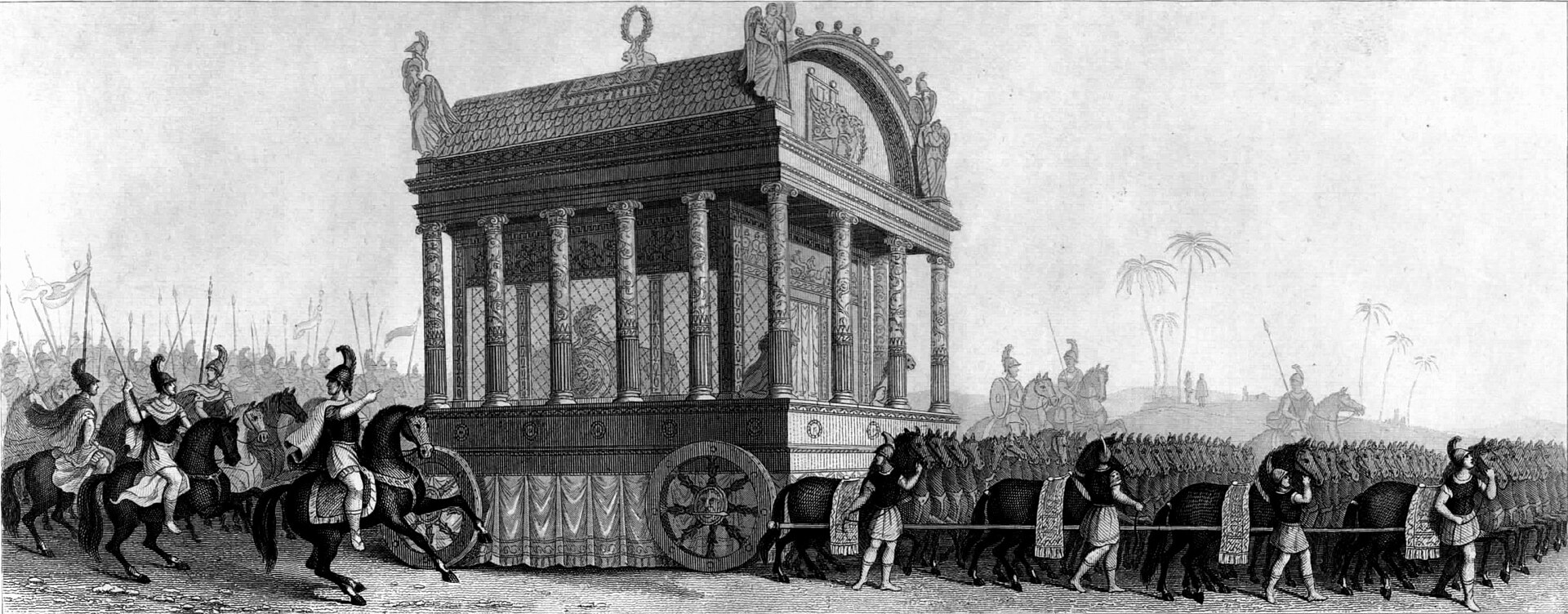
Alexander's body had lain in Babylon while craftsmen built a funeral car worthy of him: a golden hearse that took two years to finish. When it finally set out, it was meant to carry the king to his tomb. It never got there.
The hijack
On the road through Syria, Ptolemy met the hearse with an army, received the body with royal honours, and took it to Egypt. The man who buried Alexander could claim to be his true successor. Perdiccas couldn't let that stand.
The good satrap
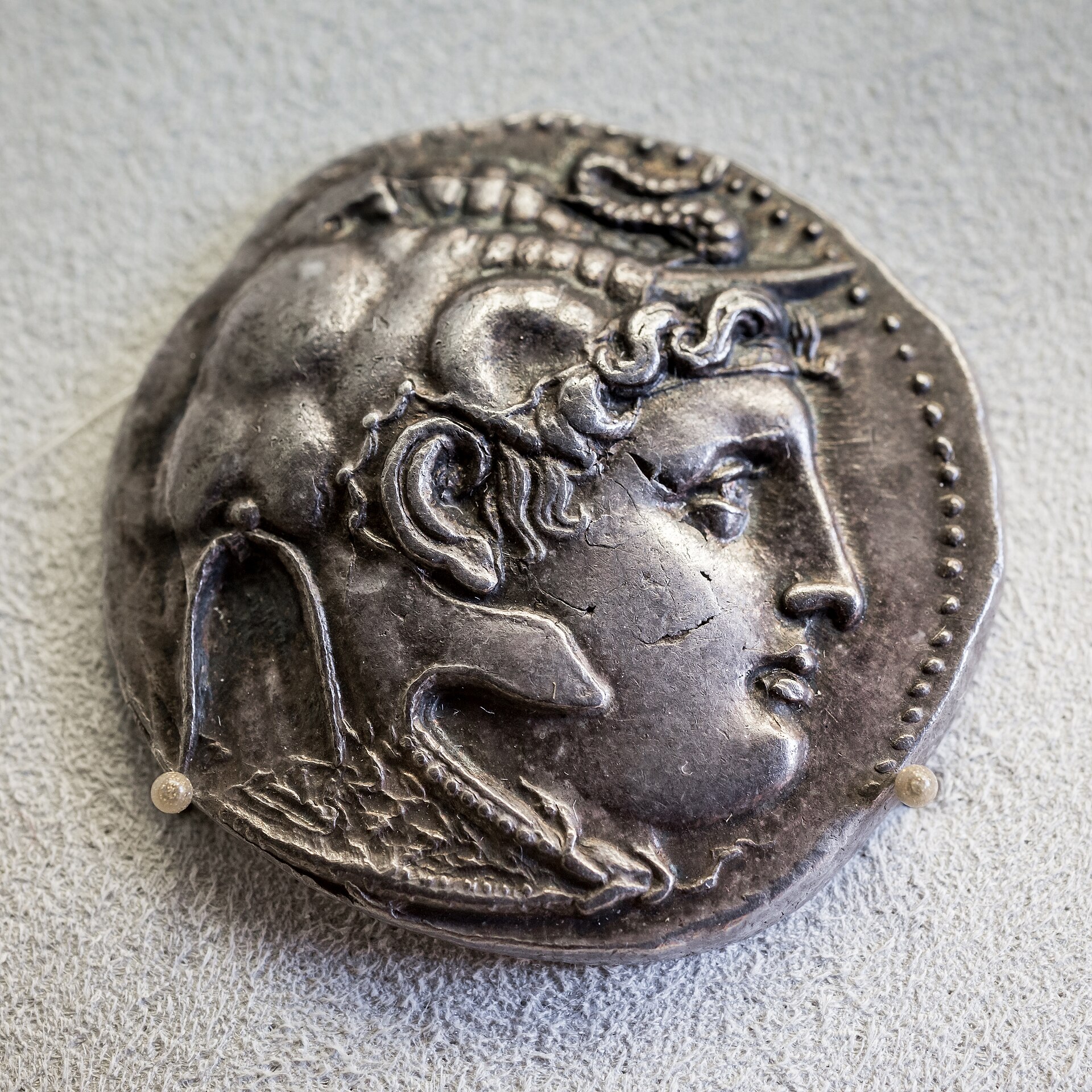
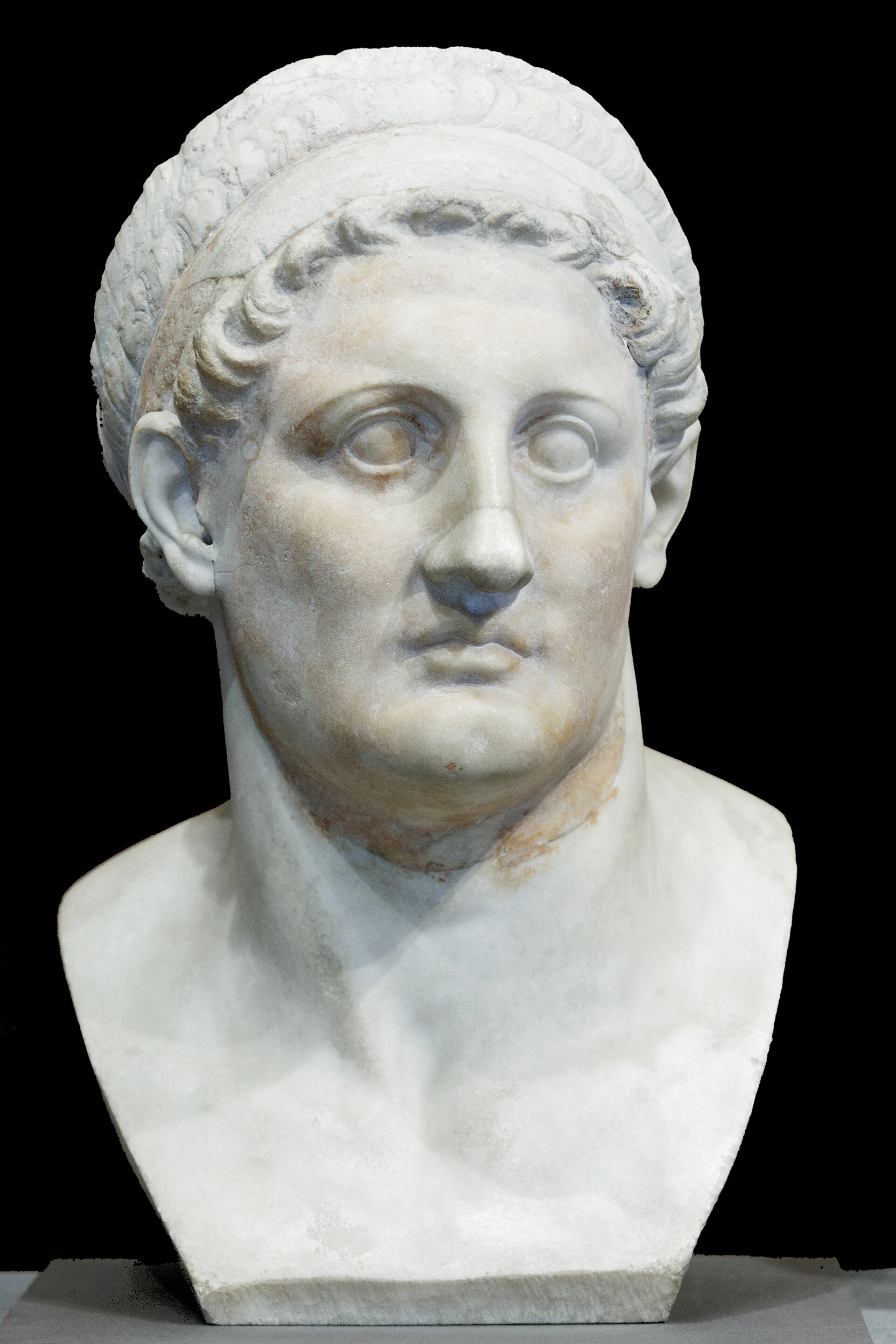
Ptolemy was a careful ruler. He treated the Egyptians well, built up his army and paid his soldiers. When Perdiccas came for him, Ptolemy's men had a reason to fight. Perdiccas's men were starting to wonder why they were.
 Ruins Retoldon YouTubeSubscribe
The fort of camels
Perdiccas marched south with the royal army. His first attack fell on a stronghold on the Nile called the Fort of Camels. Ptolemy himself was inside, and the story goes that he fought on the walls with a long spear, blinding an elephant and throwing down the men climbing the ladders. The assault failed.
The river bed
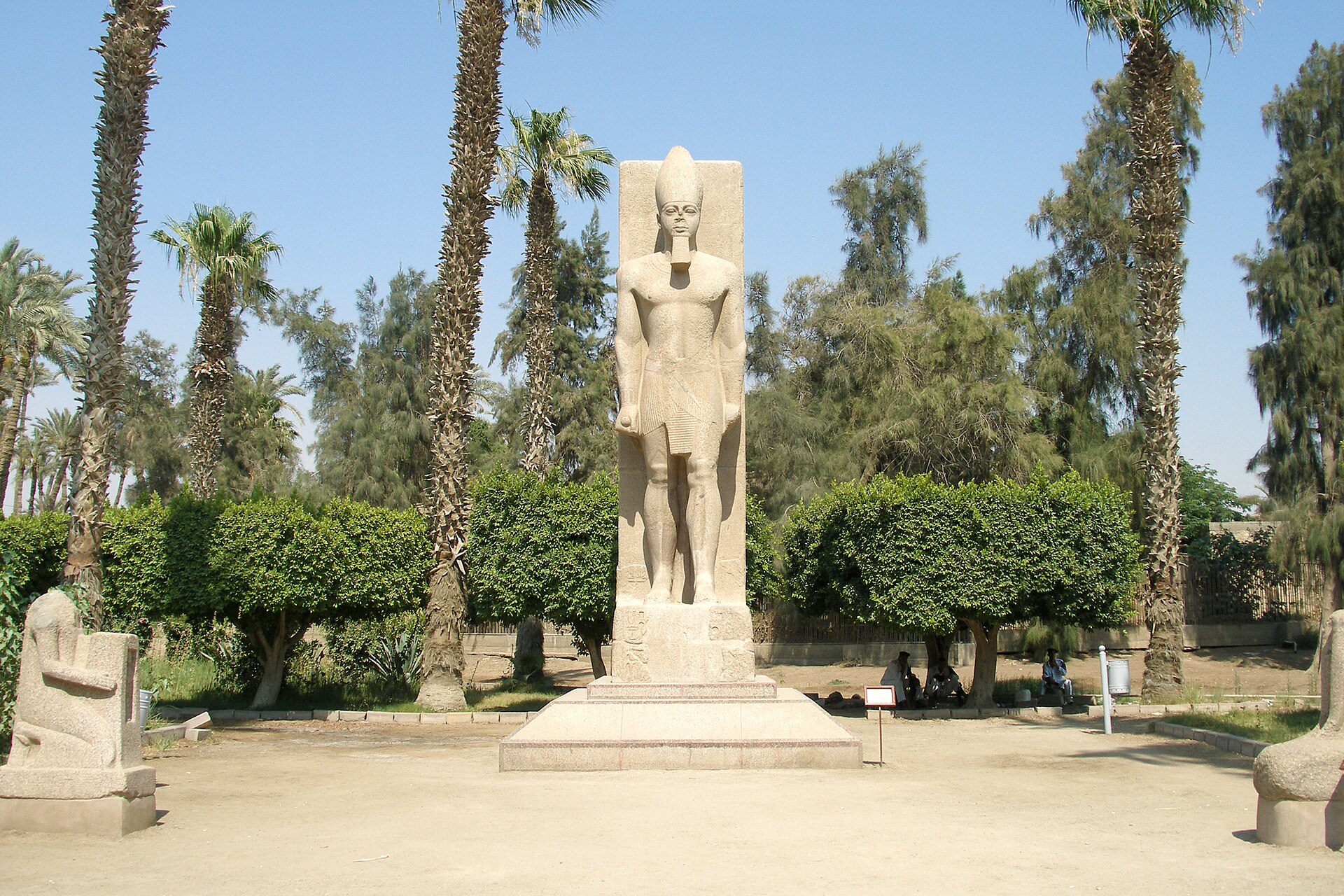
Perdiccas tried again, opposite Memphis. His army waded into the Nile to cross to an island. The first troops got over, but as thousands of feet and hooves churned the sandy bottom, the river bed washed away beneath them and the water rose. Men were swept off their feet into the deep current. Diodorus says more than two thousand died, some of them taken by "the beasts of the river."
His own officers
That night the camp turned on its commander. Perdiccas's own officers entered his tent and killed him. The regent who had held the whole empire was dead, and Ptolemy kept Alexander.
How do we know?
No account written at the time survives. Most of the detail comes from Diodorus, including the Nile crossing and the loss of more than two thousand men. Arrian's history of these years is lost apart from fragments and a Byzantine summary by Photius. Strabo, Pausanias, Curtius, Nepos and Plutarch add shorter accounts, and they don't always agree.
Where the sources disagree:
- The date. We follow the "low" chronology, placing the Nile campaign and Perdiccas's death in 320 BC. Others date them to 321 BC.
- The hearse's destination. Macedon (Pausanias) or the shrine of Ammon at Siwa in Egypt (Diodorus).
- Deal or theft. Pausanias says the escort was persuaded to hand the body over. Arrian (via Photius) says it was taken to Ptolemy against the regent's wishes.
- The sinking ford. Some blamed a canal opened upstream, others rain in the south. Diodorus's own explanation was the churned-up sandy bed.
- The crocodiles. Diodorus speaks only of "the beasts of the river." Crocodiles are our inference.
- Who struck first. Diodorus and Arrian name Antigenes, commander of the Silver Shields. Nepos says Perdiccas was killed by Seleucus and Antigenes.
Visiting today
Memphis, the ancient capital where Perdiccas tried to cross, lies just south of Cairo, near the pyramids of Saqqara.
Visit ancient Memphis and Saqqara
Booking through these cards supports the channel at no extra cost to you.
Watch next
- Before this: Alexander's Last Word (Alexander's Successors, Episode 1)
- Next: After Alexander: How Seleucus Conquered Babylon (Alexander's Successors, Episode 3)
Some links on this page are affiliate links. If you buy or book through them, the channel earns a small commission at no extra cost to you.