How Hannibal Tricked 80,000 Romans Into Their Own Massacre
In twenty months on Roman soil, Hannibal wiped out three Roman armies: at the Trebia, at Lake Trasimene, and finally at Cannae, where Rome sent the largest army it had ever raised.
Read the sources yourself
The ancient accounts this story comes from, and the best modern books on it, from an independent bookstore.


An army out of the snow
In 218 BC, Rome believed the Alps were a wall no army could cross. Then an army walked out of the snow. Hannibal had lost half his men in the mountains, but the ones who were left were hardened veterans, and over the next twenty months, on Roman soil, they would wipe out three Roman armies.
First blood at the Ticinus
The first clash was a cavalry fight near the river Ticinus. Hannibal's horsemen routed the Romans, and the consul Publius Scipio was badly wounded. He'd have died there if his seventeen-year-old son hadn't ridden in and dragged him from the field. Remember that son. He'll matter later.
The frozen river
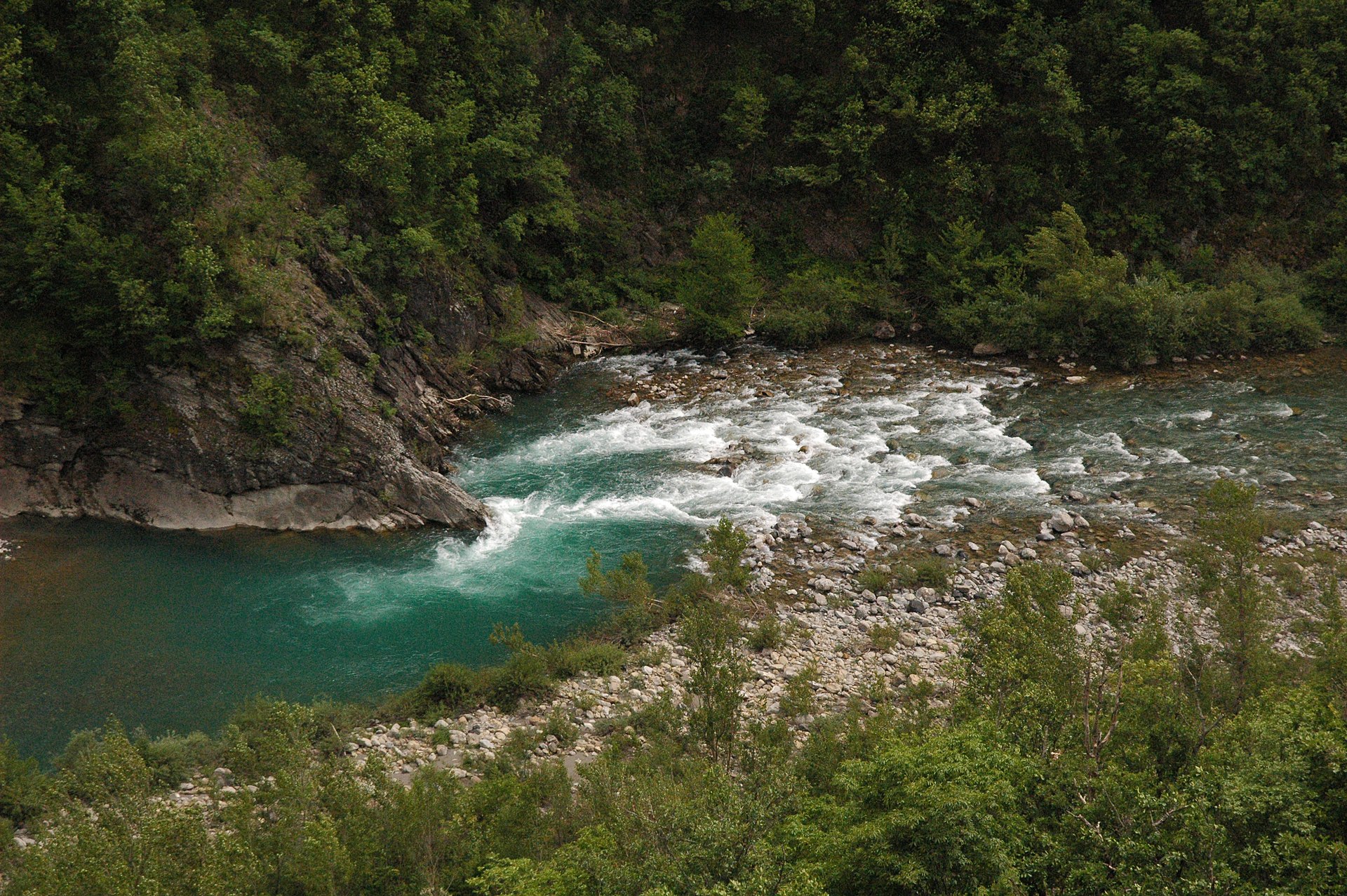
At the Trebia, in midwinter, Hannibal baited the other consul, Sempronius, into attacking across the river at dawn. The Romans waded through freezing water before breakfast, in the snow, and came out the other side soaked and starving. Waiting for them was Hannibal's army, fed and rested by its fires, and hidden in a stream bed behind them was a picked force under Hannibal's brother Mago. When the ambush broke from cover, Sempronius's legions shattered.
The mist at Lake Trasimene
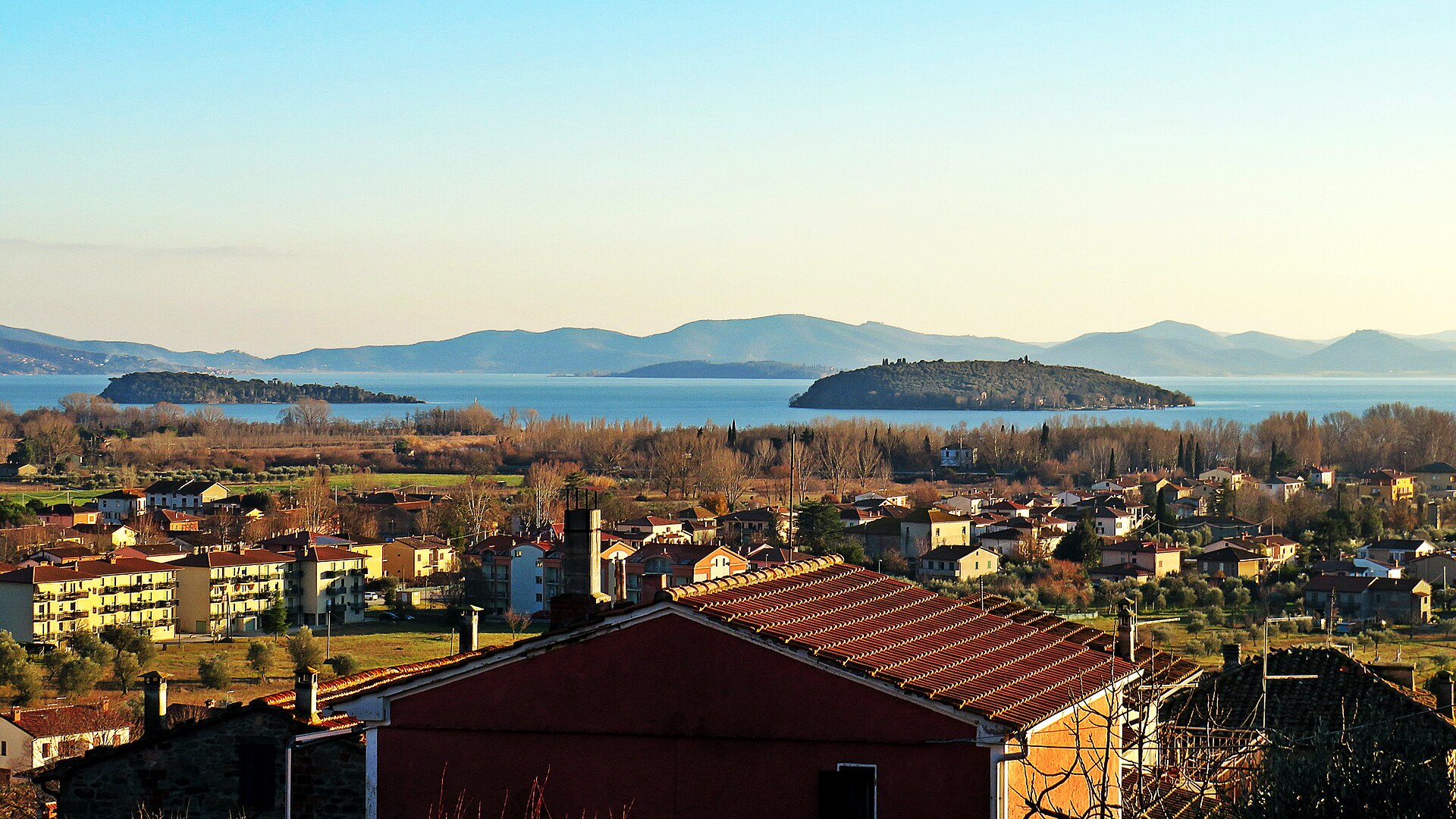
The next spring, the consul Flaminius chased Hannibal through Etruria. Along the northern shore of Lake Trasimene the road ran between the water and the hills, and Hannibal hid his whole army on the slopes above it. Flaminius marched in at dawn, in thick mist, without scouting the ground. When the trap closed, the Romans could barely see who was killing them. Fifteen thousand Romans fell, Flaminius among them.
In Rome, the praetor climbed the speaker's platform and told the crowd in four words: "We have been defeated."
 Ruins Retoldon YouTubeSubscribe
Ground of his choosing
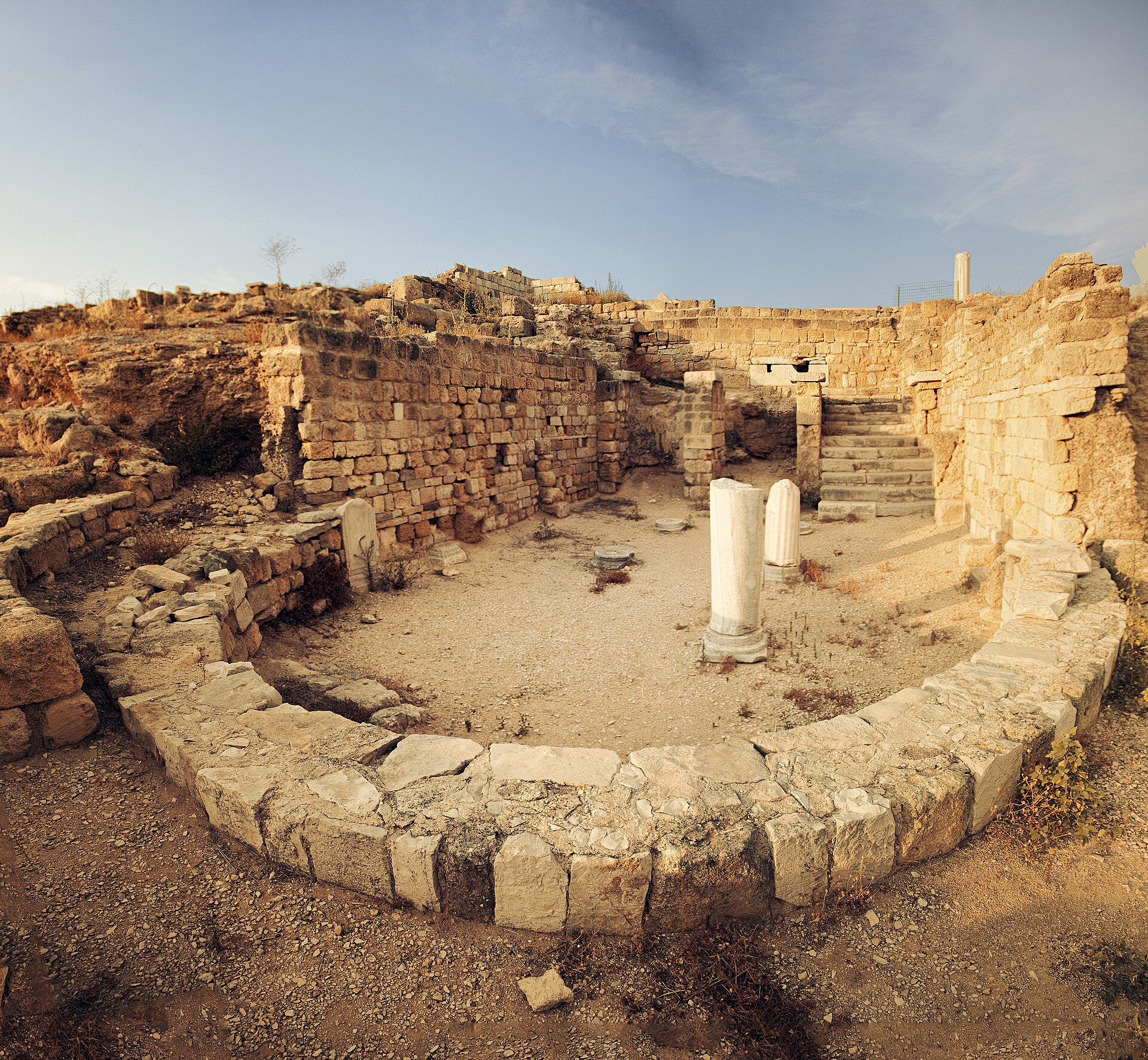
In 216 BC, Rome decided to finish it. It sent the largest army it had ever assembled: eighty thousand foot and six thousand horse. Hannibal met them on open ground at Cannae, in Apulia, with far fewer men.
His plan was the crescent. He set his line bowing out toward the enemy, with his weakest troops in the centre and his best African infantry held back on the wings. The Roman mass drove into the centre, which gave way, step by step, exactly as Hannibal meant it to. The deeper the Romans pushed, the further they went into a pocket. Then the African infantry turned inward from both sides, and Hannibal's cavalry, having beaten the Roman horse, came round and closed the back.
The Romans were packed so tightly they could hardly use their weapons. Polybius puts the Roman dead at seventy thousand.
Not one word of peace
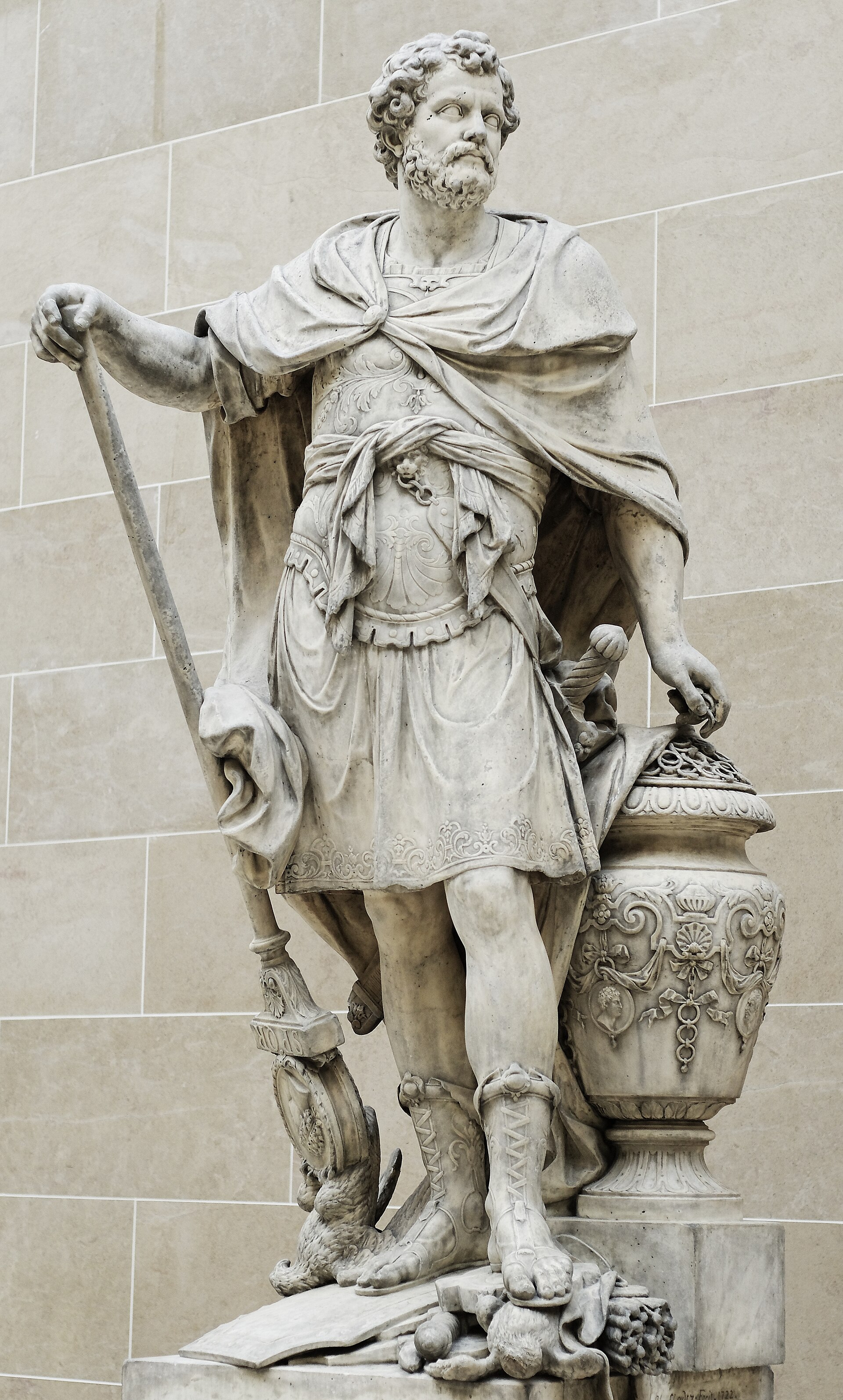
Hannibal did not march on Rome. His cavalry commander told him he knew how to win a victory but not how to use one. But the damage was done. Cities in the south began to go over to Carthage. Philip, king of Macedon, swore an alliance with Hannibal. In Carthage, says Livy, the gold rings taken from the dead Roman nobles were poured out on the floor of the senate house.
And among the survivors who'd escaped to Canusium, that same young Scipio heard some of the officers talking about abandoning Italy. He drew his sword and made every one of them swear they'd never abandon the Republic.
How do we know?
No account written at the time survives. The story follows Polybius (Histories, Book 3), who wrote about two generations later and could talk to survivors. Livy, writing under Augustus, is used where we say so and for two famous scenes: the gold rings poured out in Carthage, and young Scipio's oath at Canusium. Army sizes and casualty figures are Polybius's.
Visit Lake Trasimene
Booking through these cards supports the channel at no extra cost to you.
Watch next
- Before this: Hannibal's Forbidden March That Terrified Rome (Hannibal, Episode 1)
- Next: The Untested Roman Who Broke Hannibal's Trap (Hannibal, Episode 3)
Some links on this page are affiliate links. If you buy or book through them, the channel earns a small commission at no extra cost to you.