Hannibal's Forbidden March That Terrified Rome
In 218 BC, Hannibal led an army and thirty-seven elephants toward the Alps. Before he could fight Rome in Italy, he had to survive the mountains.
Read the sources yourself
The ancient accounts this story comes from, and the best modern books on it, from an independent bookstore.


Raised for war
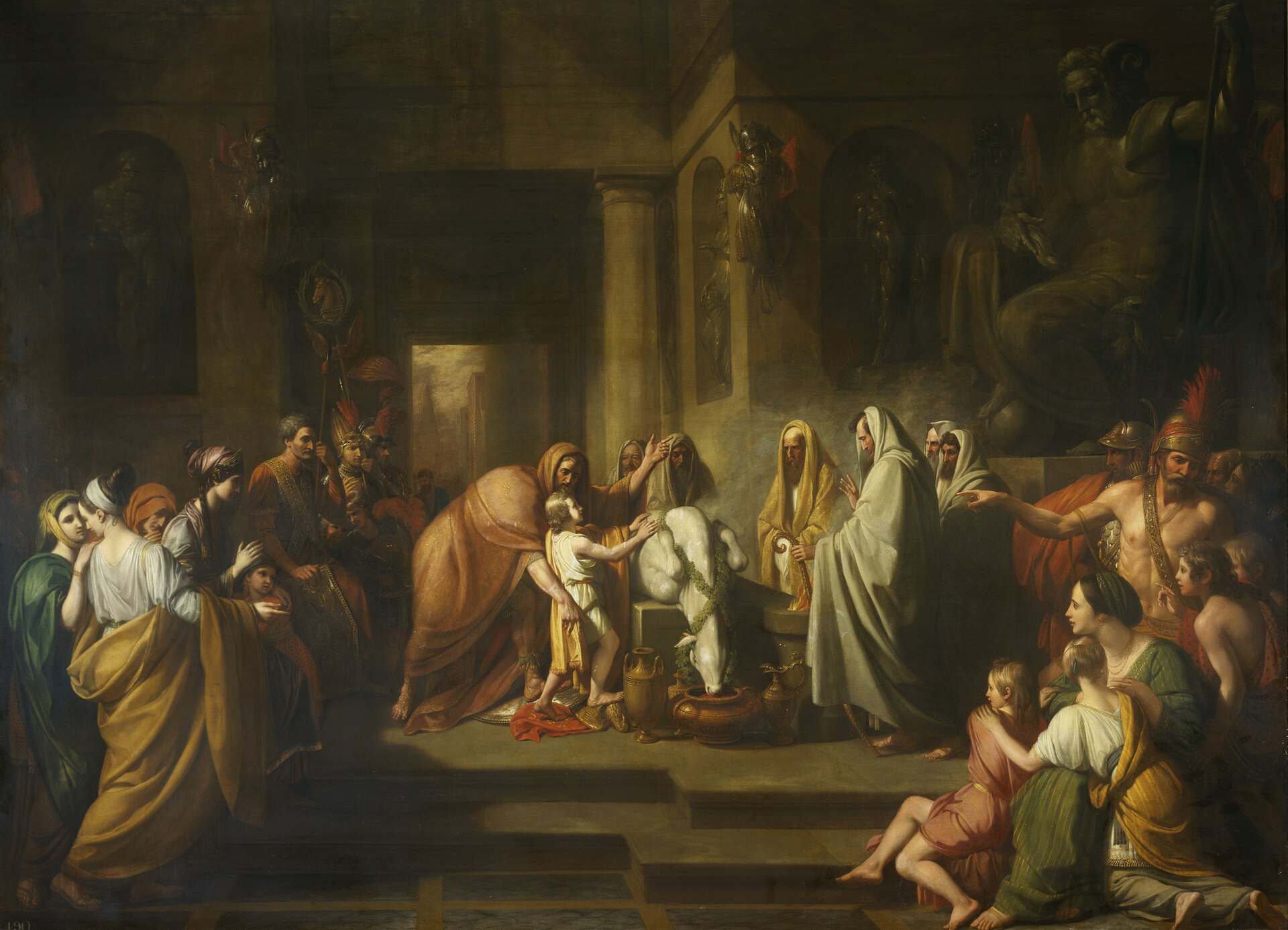
When Hannibal was nine years old, his father Hamilcar was about to sail from Carthage to Spain. The boy begged to go with him. Hamilcar agreed on one condition: he led Hannibal to the altar, had him lay his hand on the sacrifice, and made him swear never to be a friend to Rome. Polybius says Hannibal told this story himself, as an old man.
He grew up in Spain, in the army his father built there. By his mid-twenties he commanded it.
Saguntum
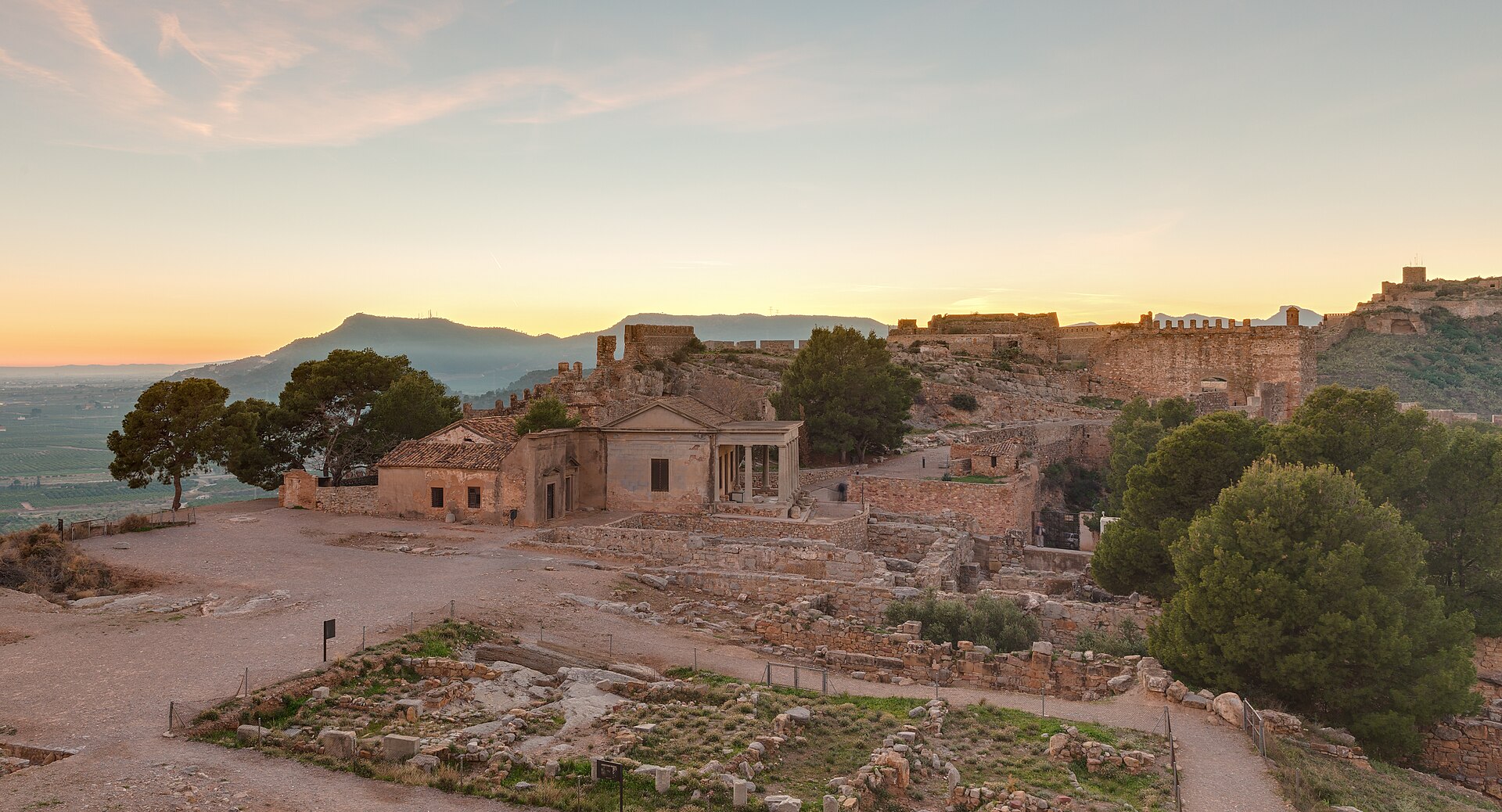
In 219 BC, Hannibal laid siege to Saguntum, a Spanish city on the coast that had friends in Rome. It held out for eight months. When it fell, Rome sent envoys to Carthage to demand Hannibal be handed over.
War in a fold of the toga
The meeting in Carthage's senate is one of the great scenes of ancient history. The leading Roman envoy gathered a fold of his toga in his hand and said he carried peace and war in it: Carthage could choose. The Carthaginians told him to give whichever he liked. He let the fold fall and said he gave them war. They answered that they accepted it.
Ninety thousand men
Hannibal didn't wait for Rome to come to him. In the spring of 218 BC he marched out of Spain with, Polybius says, ninety thousand foot, twelve thousand horse and thirty-seven elephants. His plan was something no one in Rome took seriously: to cross the Pyrenees, cross the Rhône, cross the Alps, and fight Rome in Italy itself.
 Ruins Retoldon YouTubeSubscribe
The river
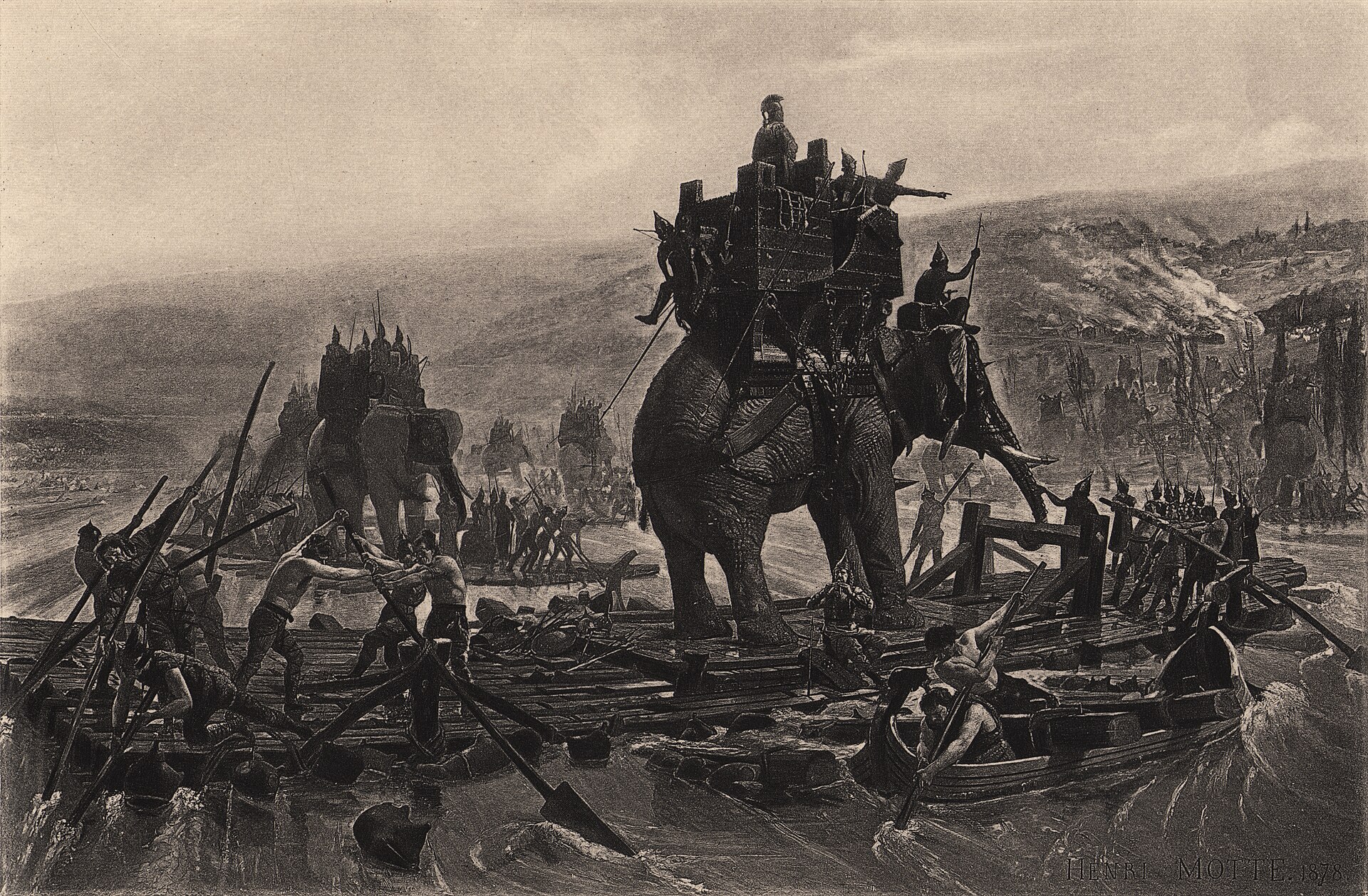
At the Rhône, a hostile tribe waited on the far bank. Hannibal sent part of his army upstream by night to cross in secret and fall on them from behind, then crossed with the rest when the smoke signal went up. The elephants were the hardest part. His engineers built huge rafts, covered them with earth so the animals would think they were still on land, and towed them across. Some elephants panicked and fell in, but they all got over.
Into the mountains
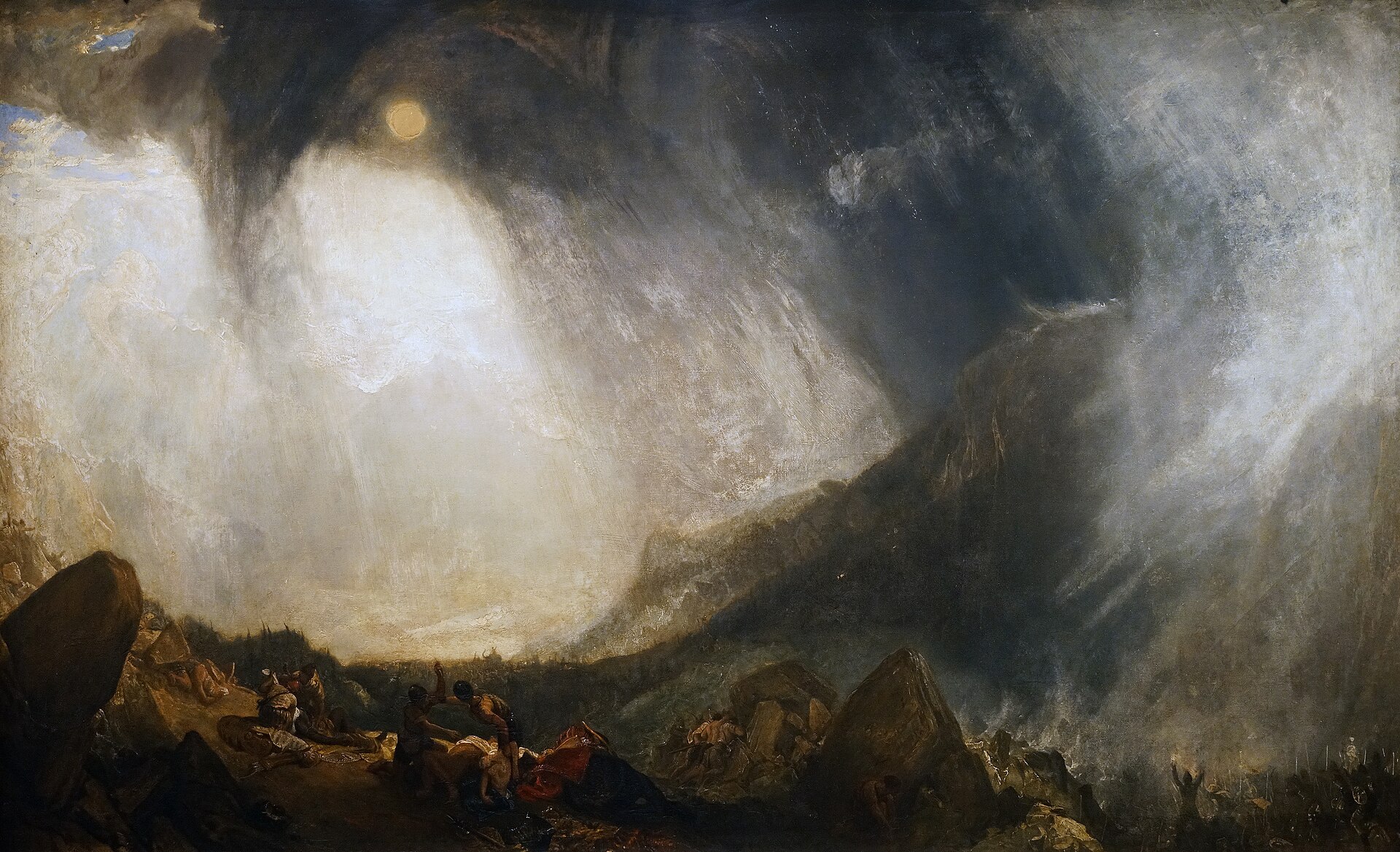
The Alps nearly destroyed the army. Mountain tribes ambushed the column in narrow passes and rolled rocks down on it. Snow came early. Men and pack animals slid off the icy tracks and over the edge. At the top of the pass, with his army freezing and losing heart, Hannibal showed them the plains of Italy spread out below and told them they were standing on the walls of Rome.
The broken road
On the way down, the army hit a stretch where a landslide had carried the path away. Polybius says the soldiers rebuilt the road by hard labour, cutting a new track along the cliff. Livy tells a more famous version: Hannibal's men heated the rock with huge fires, poured sour wine on it to crack it, and broke through. Hannibal came out of the mountains with only a fraction of the army that left Spain. But he was in Italy.
How do we know?
Our two sources are Polybius (Histories, Book 3) and Livy (History of Rome, Book 21). They differ on important details, and Hannibal's exact route over the Alps is still argued about today. Army figures follow Polybius. The fire-and-vinegar story comes from Livy; Polybius describes the road being rebuilt by labour.
Which do you believe? Tell us in the comments on the video.
Visit Saguntum (Sagunto, Spain)
Booking through these cards supports the channel at no extra cost to you.
Watch next
- New to the channel? Start our first series: Alexander's Last Word (Alexander's Successors, Episode 1)
- Next: How Hannibal Tricked 80,000 Romans Into Their Own Massacre (Hannibal, Episode 2)
Some links on this page are affiliate links. If you buy or book through them, the channel earns a small commission at no extra cost to you.