After Alexander: How Seleucus Conquered Babylon
Seleucus was handed Babylon, the city where Alexander died. Then Antigonus the One-Eyed arrived as a guest, and Seleucus fled into the night with fifty horsemen.
Some links on this page are affiliate links. If you buy or book through them, the channel earns a small commission at no extra cost to you.
Read the sources yourself
The ancient accounts this story comes from, and the best modern books on it, from an independent bookstore.


The gift of Babylon
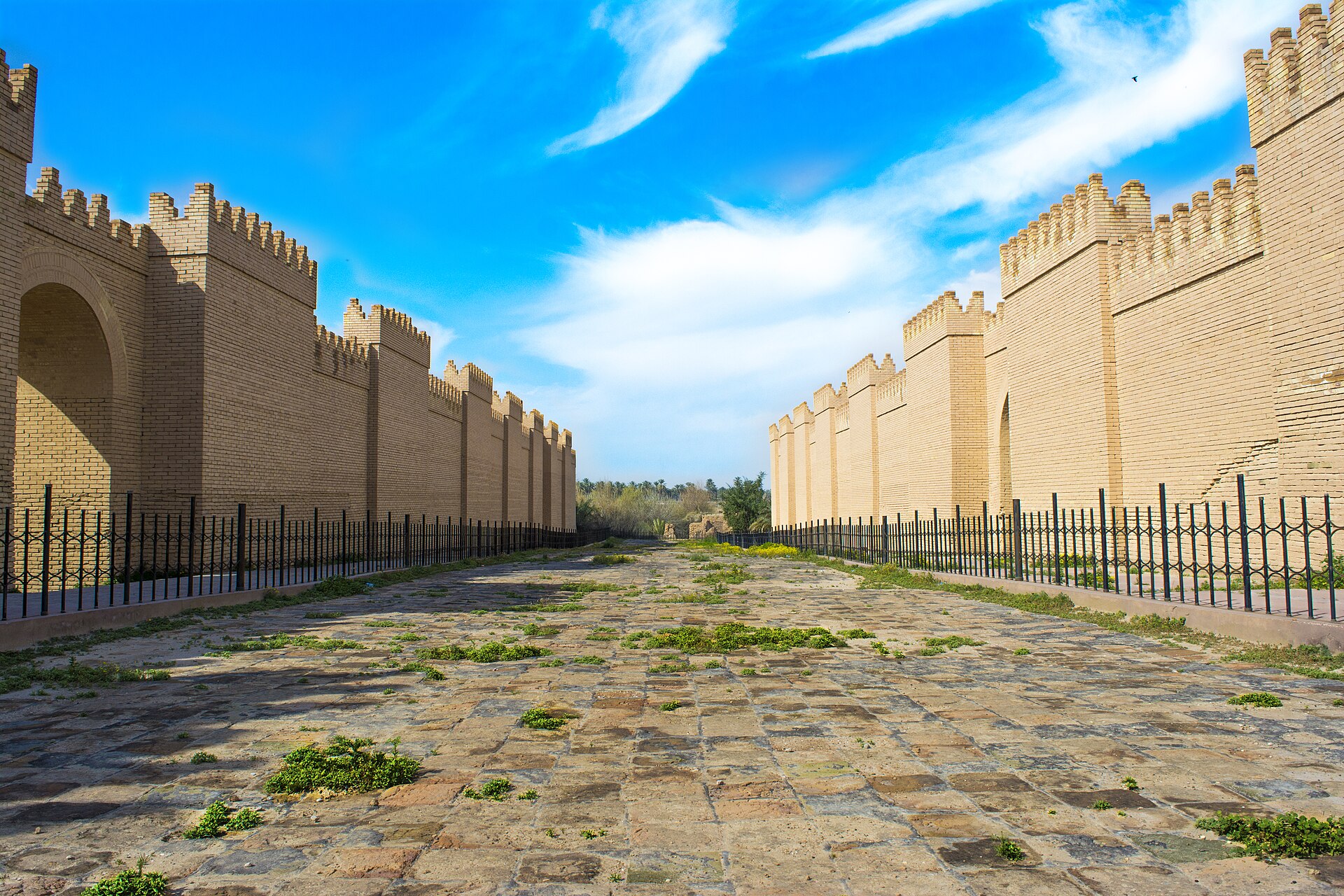
After Perdiccas was killed, Alexander's generals met at Triparadisus in 320 BC and carved up the empire again. A young cavalry officer named Seleucus was handed Babylon, the city where Alexander had died. For four years he ruled it well and won the goodwill of its people.
The guest
Then Antigonus the One-Eyed arrived, as a guest, with the treasure of the east behind him. He was the most powerful of Alexander's successors now, and he behaved like it. He demanded that Seleucus give him a full account of Babylon's revenues.
Seleucus refused. Babylon had been given to him, he said, and he didn't have to answer for it.
Fifty horsemen
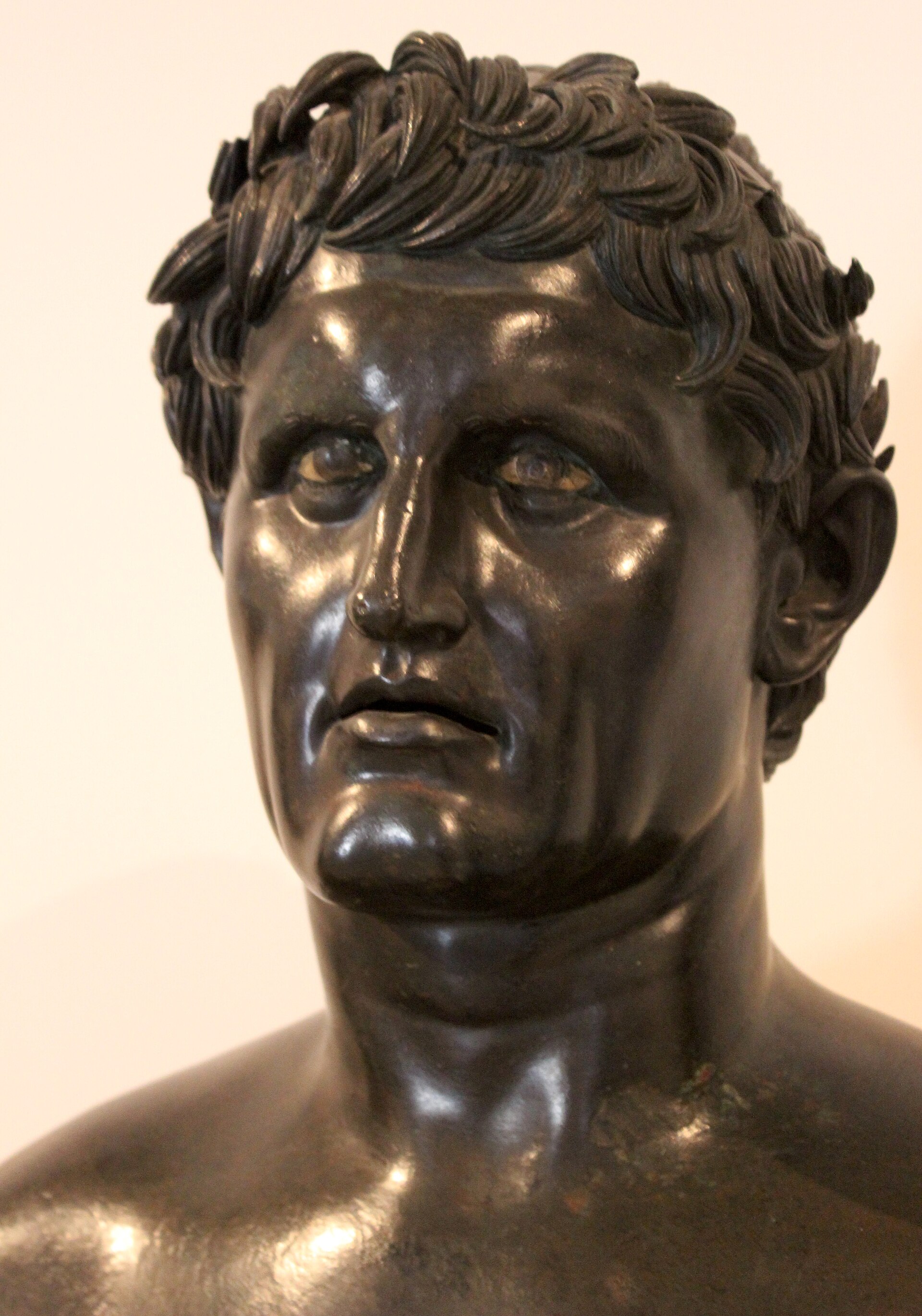
Seleucus remembered what had happened to Peithon, another governor, who had been invited to a friendly talk with Antigonus and executed. He didn't wait for his invitation. He slipped out of Babylon in the dark with fifty horsemen and rode for Egypt, to Ptolemy.
The prophecy
Antigonus was pleased to see him go. Then the Chaldean astrologers of Babylon came to him with a warning: if he let Seleucus escape, Seleucus would one day rule all of Asia, and Antigonus would die fighting him. Antigonus sent men after him, but it was too late.
 Ruins Retoldon YouTubeSubscribe
The exile and Gaza
In Egypt, Seleucus became one of Ptolemy's commanders. In 312 BC he helped Ptolemy win a great battle at Gaza against Antigonus's son Demetrius. More than eight thousand of Demetrius's men were taken prisoner.
Eight hundred men
Now Seleucus asked Ptolemy for an army to win back Babylon. He got about eight hundred foot and two hundred horse. It was a tiny force to take on Antigonus's empire with, and his friends were nervous. Seleucus told them that men who'd fought under Alexander should trust their courage, not their numbers.
He was right. As he marched east, men came over to him. When he reached Babylon, the people who remembered his rule welcomed him back. Babylon was his again, and this time, he kept it.
How do we know?
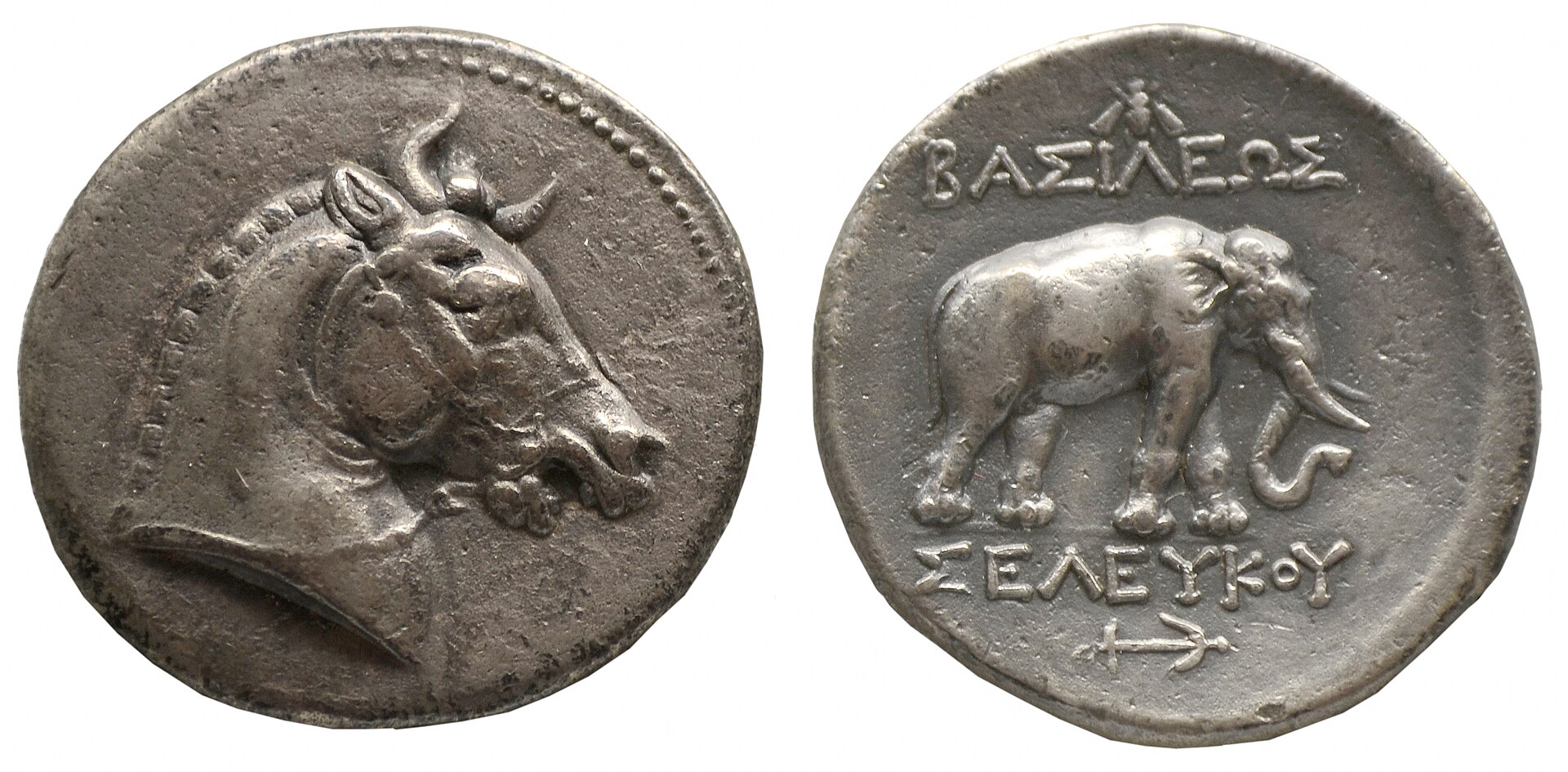
No account written at the time survives. Most of the detail comes from Diodorus (Library, Books 18-19), including the flight with fifty horsemen, Gaza, and the return with about eight hundred men. Appian adds the anchor omen and some different numbers. Plutarch's Life of Demetrius covers Gaza.
Where the sources disagree:
- Why Seleucus fled. Diodorus: his refusal to account for the revenues, and fear after Peithon's death. Appian: a quarrel after Seleucus punished a governor in front of Antigonus.
- How many came back with him. About 800 foot and 200 horse (Diodorus) or 1,000 foot and 300 horse (Appian).
- Gaza losses. Over 500 dead and more than 8,000 captured (Diodorus) or 5,000 dead and 8,000 captured (Plutarch). We only say "more than eight thousand taken prisoner."
- The anchor omen. Appian reports it as hearsay, and so do we.
- Dates. Dates for 317-311 BC differ by about a year between the "high" and "low" chronologies. We follow Diodorus.
Watch next
- Before this: Alexander's Body, the Nile, and the Fall of Perdiccas (Alexander's Successors, Episode 2)
- Next: The Battle That Broke Alexander's Empire Forever (Alexander's Successors, Episode 4)
Some links on this page are affiliate links. If you buy or book through them, the channel earns a small commission at no extra cost to you.