The Battle That Broke Alexander's Empire Forever
In 301 BC, Antigonus the One-Eyed was over eighty and master of Asia. Then the kings who feared him joined forces, and at Ipsus his son's brilliant charge went one ride too far.
Some links on this page are affiliate links. If you buy or book through them, the channel earns a small commission at no extra cost to you.
Read the sources yourself
The ancient accounts this story comes from, and the best modern books on it, from an independent bookstore.


The man who would be king of Asia
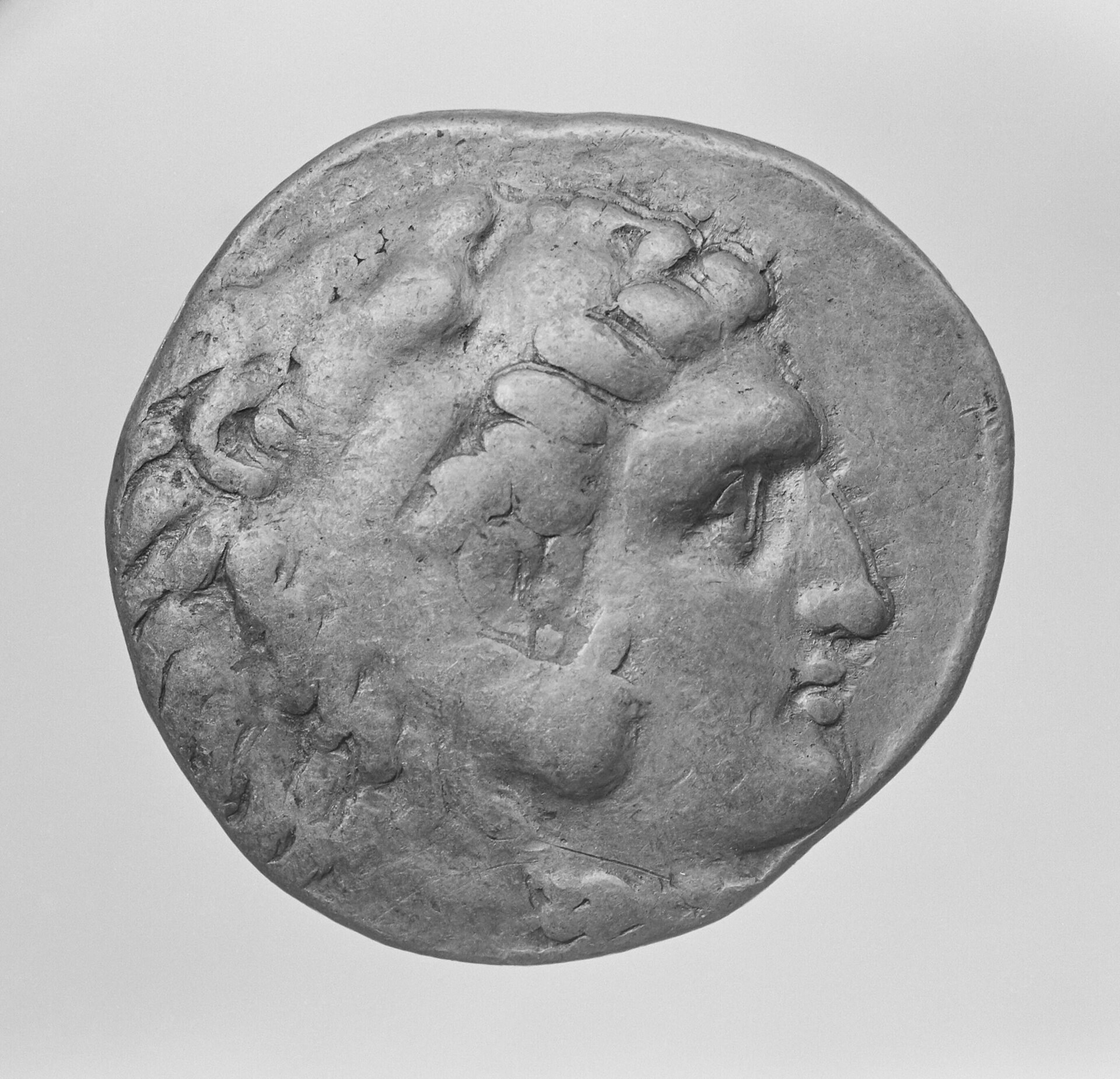
In 301 BC, Antigonus the One-Eyed was over eighty years old, master of Asia, and the most feared of all Alexander's successors. Years before, the Chaldean astrologers had warned him: let Seleucus escape, and you will die fighting him. Seleucus had escaped.
The coalition
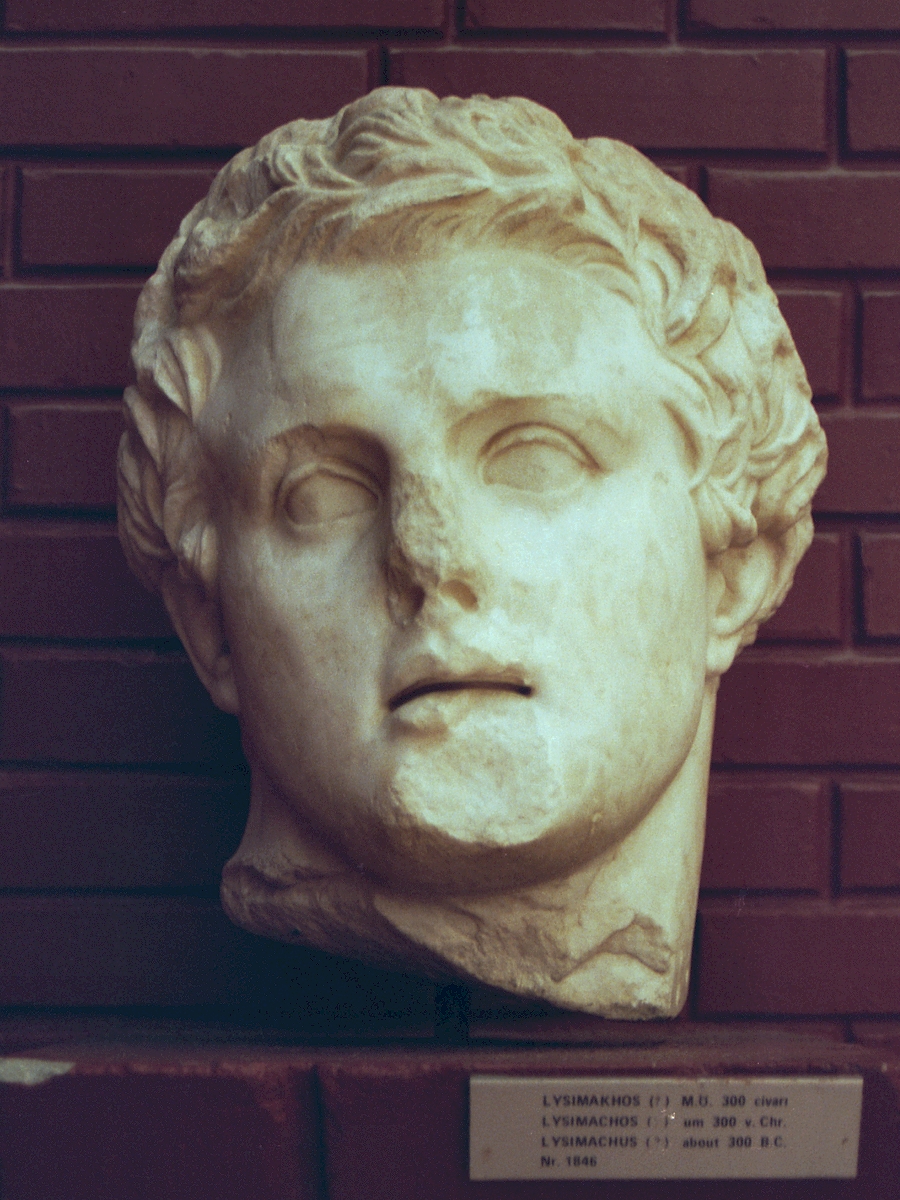
Now the kings who had once been rivals, Seleucus, Lysimachus, Cassander and Ptolemy, joined together. They weren't friends. They were afraid. If Antigonus wasn't stopped, he'd take everything.
Antigonus called his son Demetrius back from Greece, and the two armies met on the plain of Ipsus, in Phrygia.
The odds
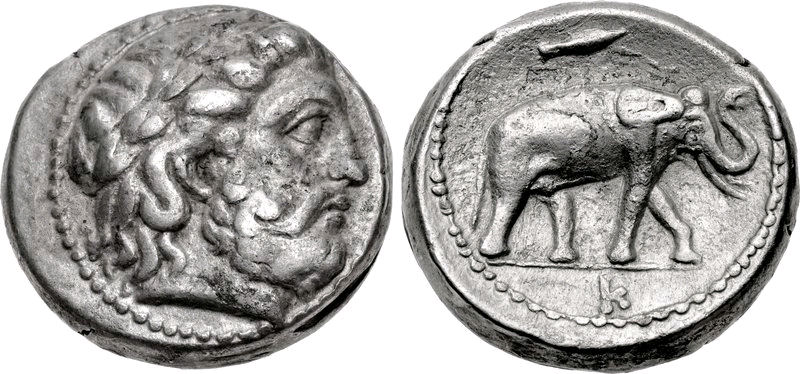
Both sides brought huge armies, and Seleucus brought something more: elephants, hundreds of them, from India. It would turn out to be the most important thing on the field.
The charge
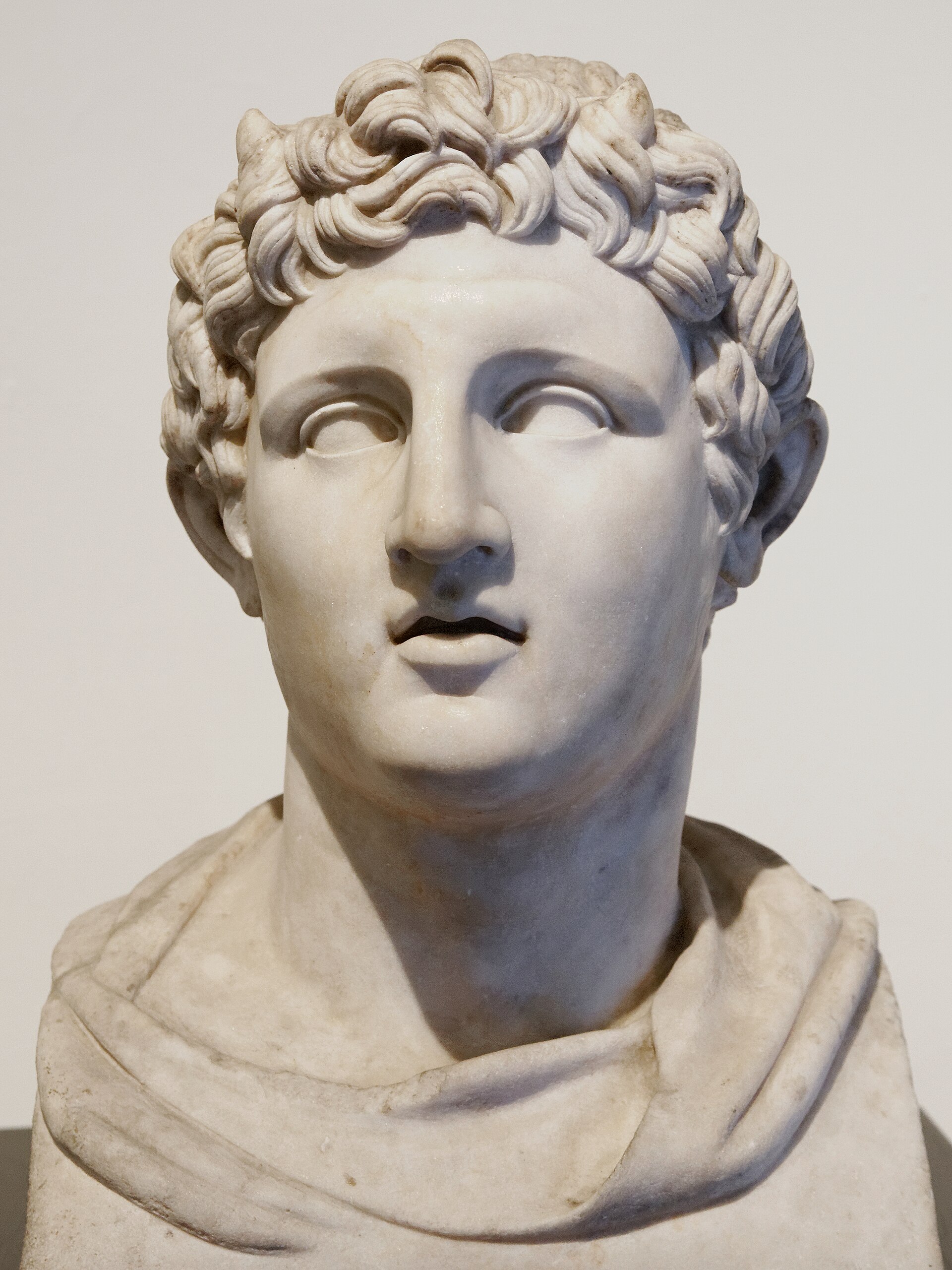
The battle began well for Antigonus. Demetrius led his cavalry in a brilliant charge, broke the enemy horse in front of him, and chased them off the field. Then he kept chasing. He rode too far.
 Ruins Retoldon YouTubeSubscribe
The door closes
Behind him, Seleucus moved his elephants into the gap. When Demetrius finally turned back, a wall of elephants stood between him and his father's army, and his horses wouldn't face them.
Antigonus's infantry was cut off, without cavalry, and Seleucus's men began to pick it apart. Many of his soldiers went over to the other side.
"Who else should be their mark?"
As the javelins fell around him, someone told Antigonus that the enemy were aiming at him. Plutarch has him answer: who else should they be aiming at? Demetrius will come. He kept watching for his son to the end. Demetrius never came. Antigonus fell under a cloud of javelins.
The carcass of an empire
By nightfall, Alexander's empire was broken forever. The victors divided Antigonus's lands among themselves, and the dream of one empire under one king died on the plain of Ipsus. The kingdoms that came out of it, Ptolemy's Egypt and the empire of Seleucus, would last for centuries.
How do we know?
No account written at the time survives. Most of the detail comes from Plutarch's Life of Demetrius, including the charge, the elephants, the cloud of javelins and Antigonus's last hope that his son would come. Appian gives the coalition, the battle and Antigonus's age. Diodorus (Book 21, surviving only in fragments) adds the kings' motive of fear and the burial with royal honours, and his Book 19 records the original prophecy.
Where the sources disagree:
- Antigonus's age. "Above eighty" at Ipsus (Appian), while Plutarch calls him "almost eighty" at an earlier campaign. We say "over eighty."
- Ptolemy. Diodorus lists him among the four allied kings, but whether he fought at Ipsus in person is disputed. We keep him in the coalition, not on the battlefield.
- Army sizes. Only Plutarch gives a full order of battle, so his are the only numbers we use.
- Antigonus's death. A cloud of javelins (Plutarch), killed in battle (Appian), or pierced by many missiles and buried with royal honours (Diodorus). We follow Plutarch.
- The prophecy. Diodorus says it came true. We say Antigonus died fighting the coalition, not that Seleucus killed him.
Watch next
- Before this: After Alexander: How Seleucus Conquered Babylon (Alexander's Successors, Episode 3)
- Next series: Hannibal's Forbidden March That Terrified Rome (Hannibal, Episode 1)
Some links on this page are affiliate links. If you buy or book through them, the channel earns a small commission at no extra cost to you.